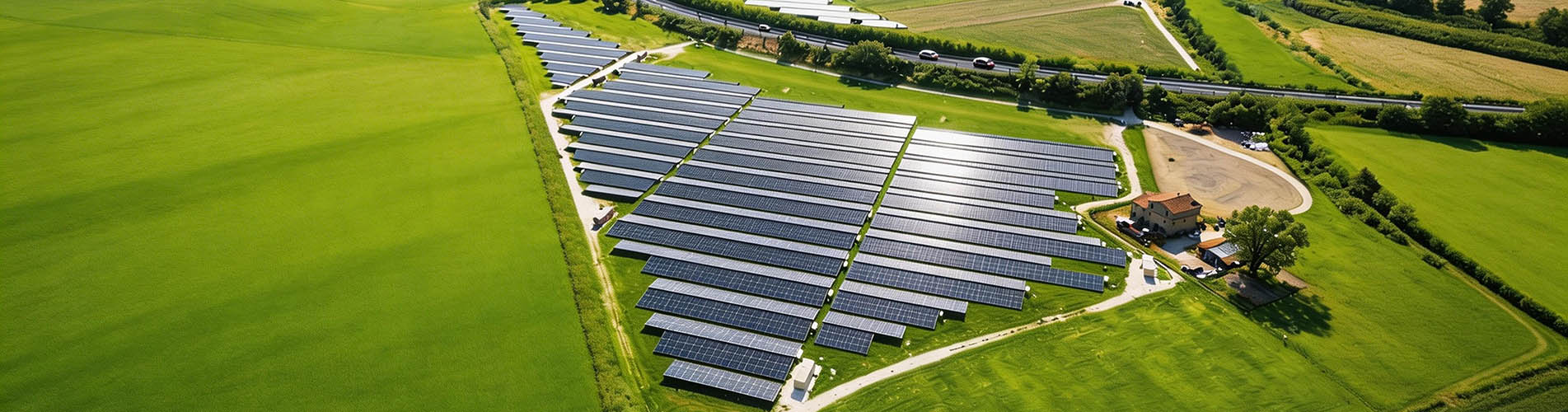
Power Above, Grain Below : How Solar PV Greenhouses Achieve Dual Land Use

Author
PROFENCE.ENERGY was established in 2014 with a focus on the design and manufacturing of solar mounting systems and related products
Driven by increasingly scarce arable land resources and the goal of carbon neutrality, agrivoltaics are becoming an important path for integrating modern agriculture with renewable energy. By installing solar photovoltaic modules above farmland, greenhouses, or livestock farms, the system achieves "power generation above, agriculture or livestock farming below," improving land utilization and providing clean electricity for agricultural production. Based on multiple engineering practices, photovoltaic agricultural greenhouses demonstrate the following core advantages:
1、Highly Efficient Land Use: The same plot of land simultaneously produces agricultural products and electricity, significantly increasing the economic and ecological benefits per unit area.
2、Stable Energy Supply: Photovoltaic power generation can meet the electricity needs of irrigation, lighting, temperature control, and automated equipment, reducing dependence on the external power grid.
3、Energy Saving and Emission Reduction: Replacing fossil fuels, reducing greenhouse gas emissions, and providing significant environmental benefits.
4、Strong Structural Disaster Resistance: The integrated design of the steel frame and photovoltaic modules can withstand natural disasters such as strong winds, heavy rains, and blizzards.
5、Promoting Agricultural Modernization: Can be equipped with intelligent monitoring and automatic irrigation systems to facilitate precision agricultural management.
Three Typical Types of Photovoltaic-Agricultural Complementary Support Systems
Currently, several specialized photovoltaic support systems have been developed for different agricultural scenarios. These solutions fall under the categories of Agri PV Mounting System, Agricultural Solar Racking, and Agrivoltaic Mounting System, each tailored to specific farming needs. The following are three representative products:
Crop-Over Solar Structure: Designed specifically for light-loving crops such as wheat and corn. Single-column structure with large column spacing ensures free passage for agricultural machinery. Materials include hot-dip galvanized steel, zinc-aluminum-magnesium steel, or aluminum alloy, offering strong corrosion resistance.
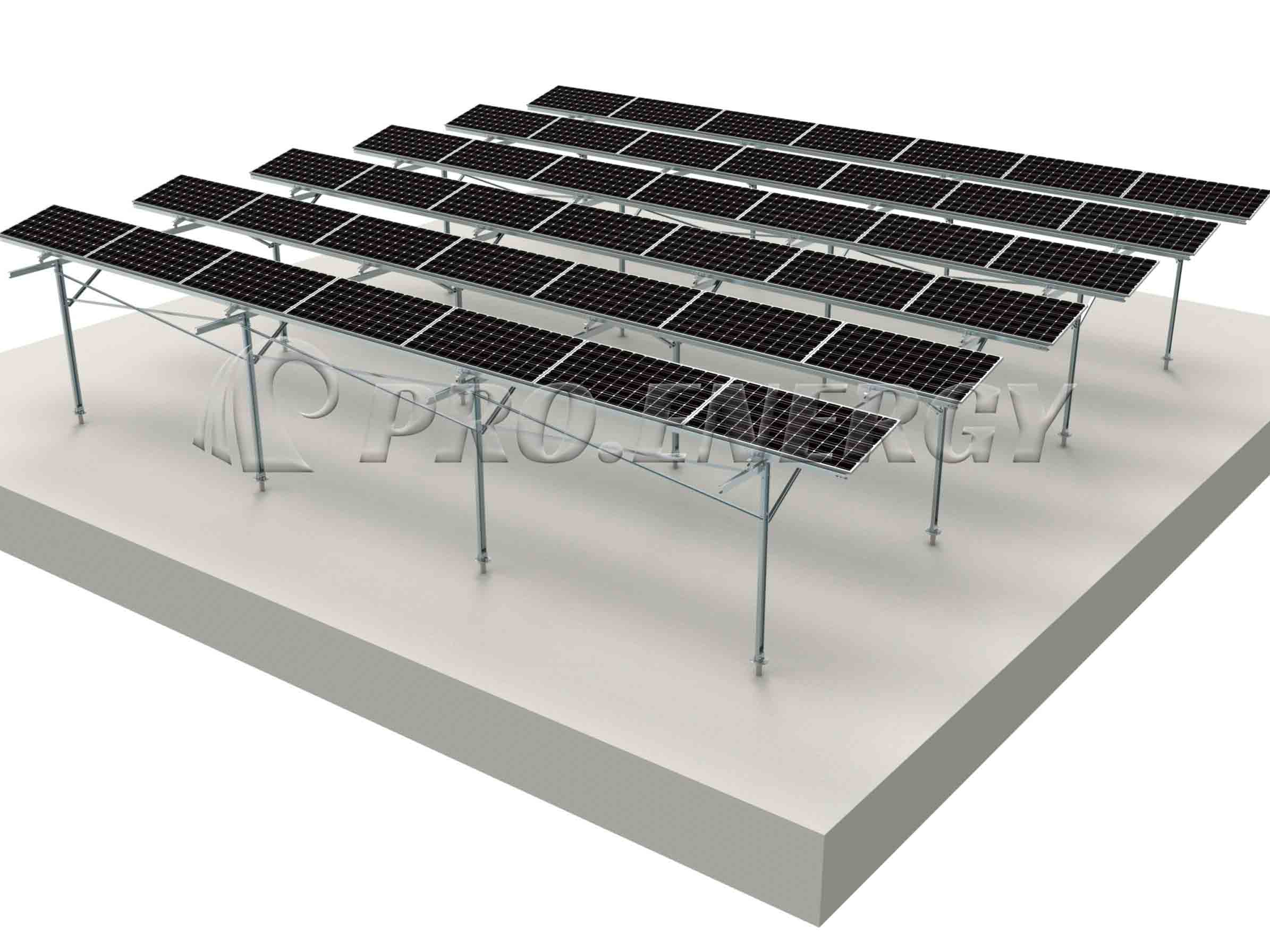
Single-Column Photovoltaic Shed System: Also uses a single column, with a high photovoltaic panel support, allowing crops to be planted underneath. Simple structure, easy installation and maintenance. Adjusting the spacing and tilt angle optimizes light transmission conditions, ensuring no reduction in power generation.
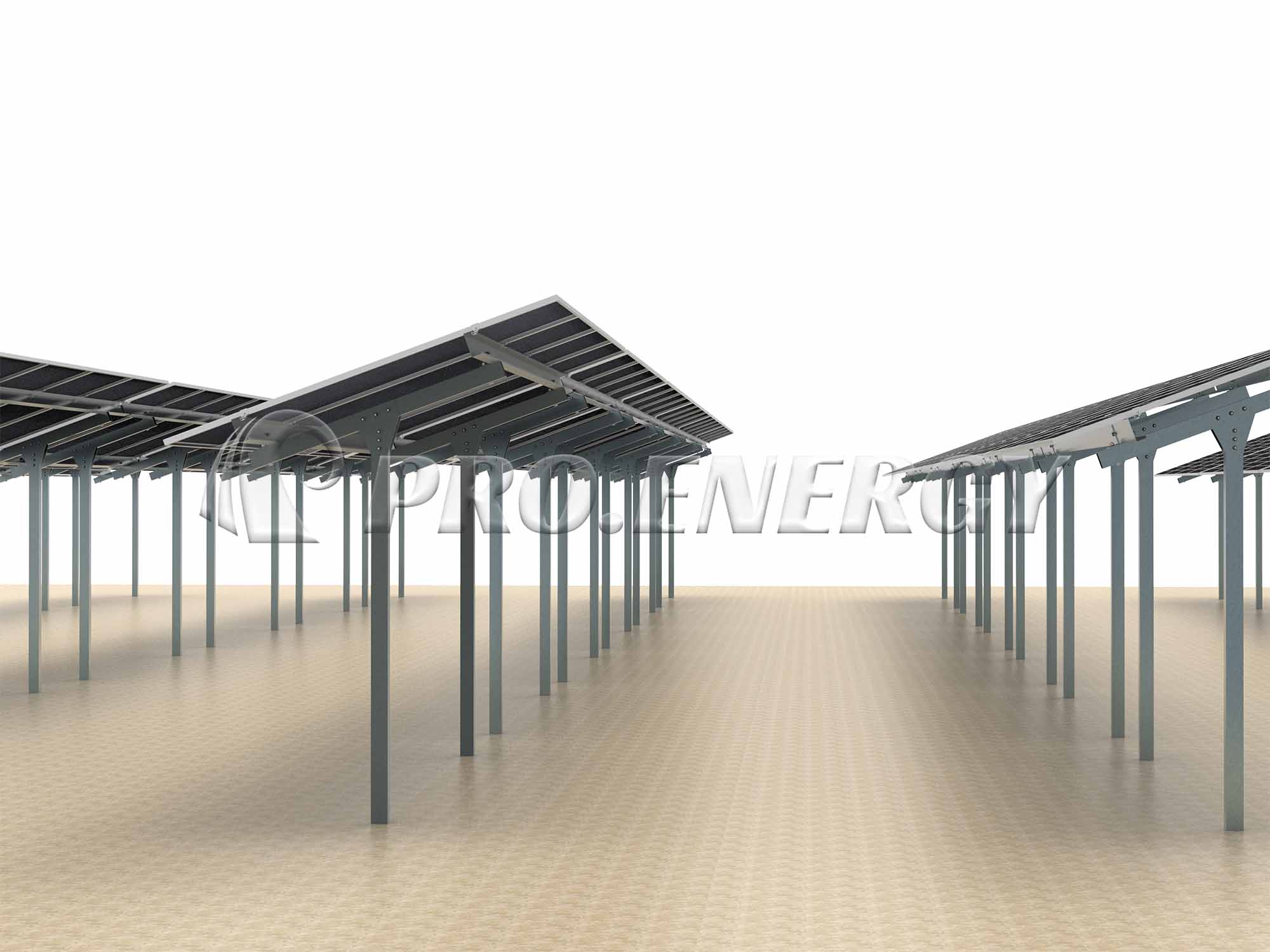
Photovoltaic Greenhouse System: Photovoltaic modules are installed on the top, providing insulation in winter and heat protection in summer, creating a stable environment for vegetables and edible fungi. Photovoltaic power is directly supplied to irrigation, lighting, and other equipment, reducing operating costs.
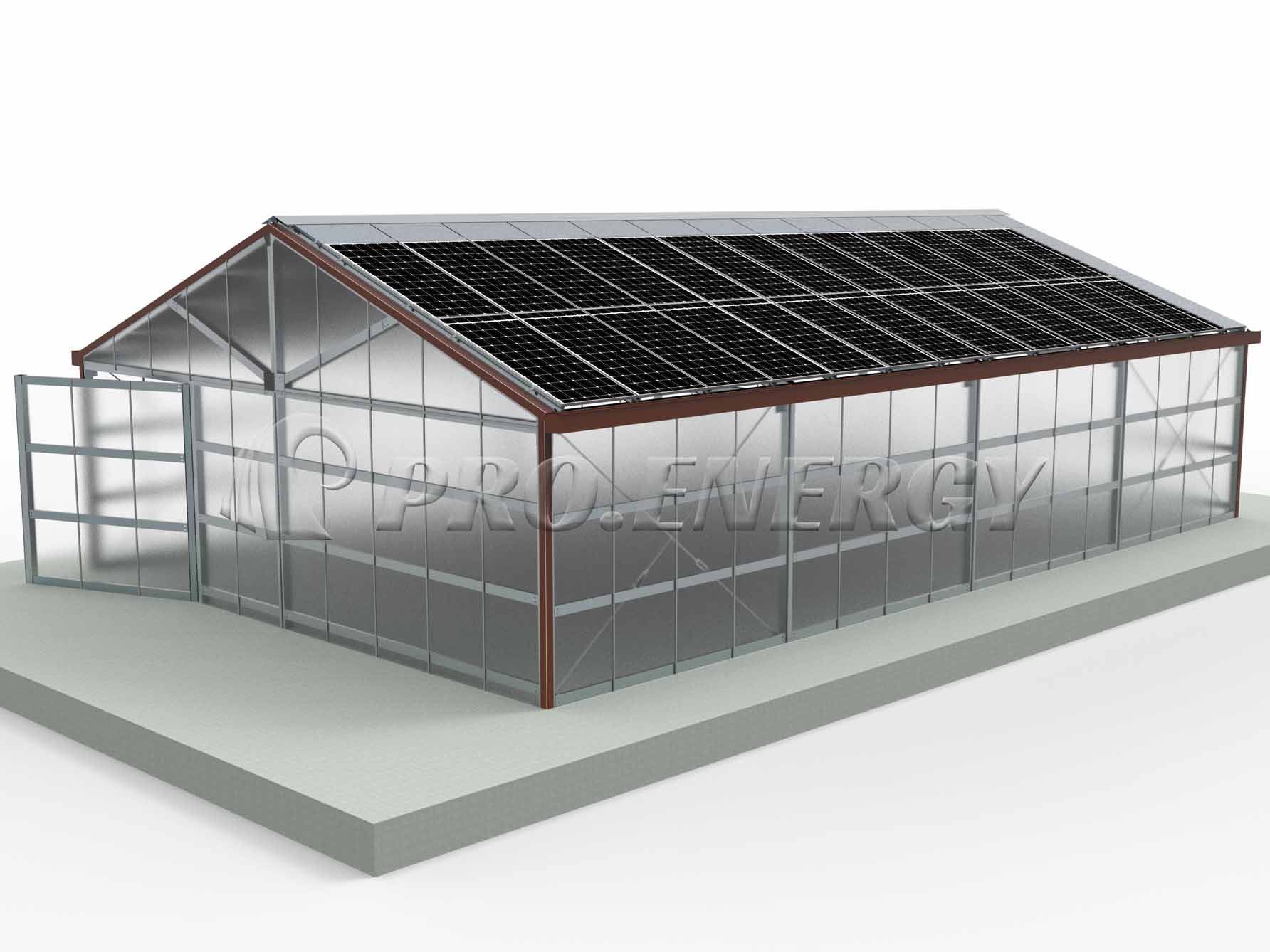
Besides planting, photovoltaic greenhouses can also be used for animal husbandry, forming a "photovoltaic-livestock complementary" model. The photovoltaic modules provide electricity for lighting, ventilation, and heating in the livestock sheds, while also providing shade in the summer to improve animal welfare. Combined with ecotourism and fruit-picking experiences, leisure agriculture can be developed, increasing overall income.
- How can the drainage design of PV carports balance waterproofing with structural safety?
- What are the advantages and key design considerations of waterproof solar carports?
- Metal Roofs vs. Tile Roofs: Which is Better for Solar PV Installation?
- Single-column or double-column ground-mounted support systems: Which is more suitable for your photovoltaic power station?
- 2026 PV EXPO Autumn Exhibition Visitor Guide and Agricultural Photovoltaic Complementary Technology Trends
- How do you select the appropriate ground clearance for an agrivoltaic system?