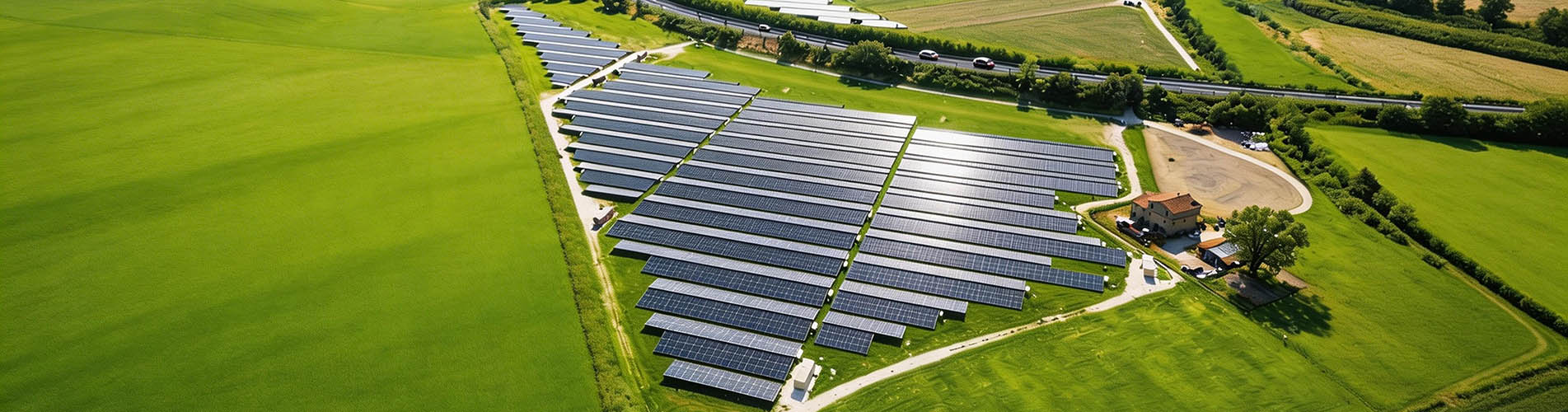
2026 PV EXPO Autumn Exhibition Visitor Guide and Agricultural Photovoltaic Complementary Technology Trends

Author
PROFENCE.ENERGY was established in 2014 with a focus on the design and manufacturing of solar mounting systems and related products
I. Exhibition Overview
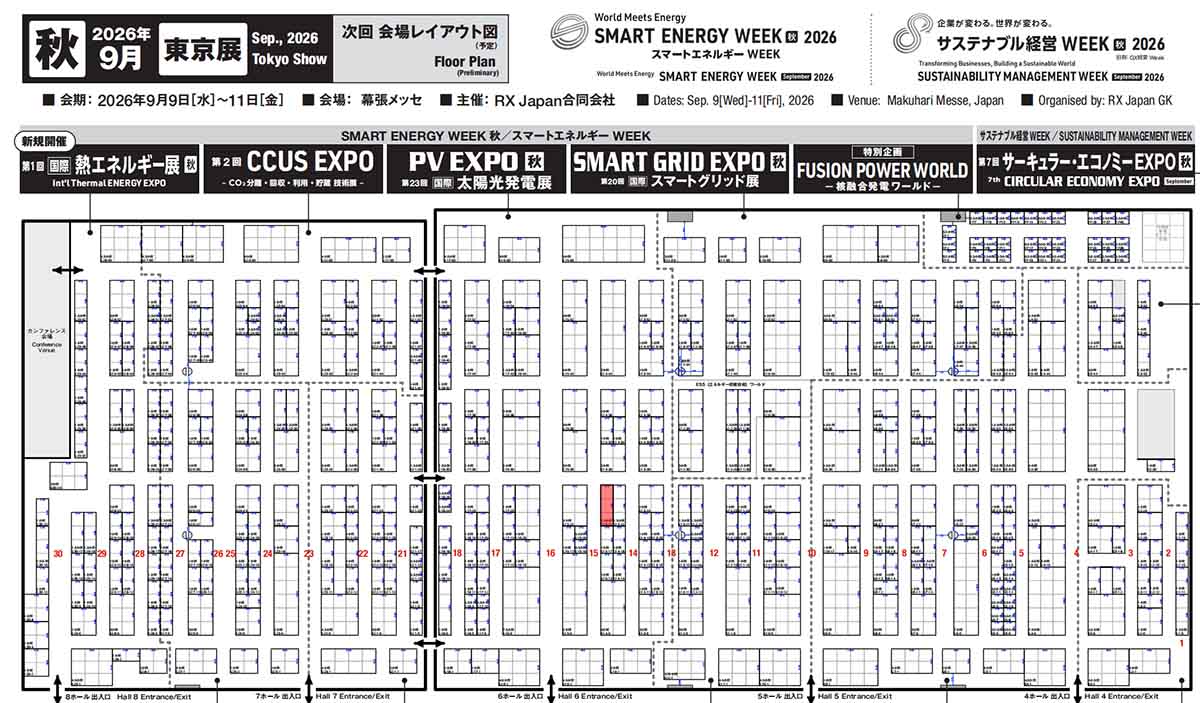
The 23rd International Photovoltaic Power Generation Exhibition (PV EXPO Autumn Exhibition) will be held from September 9th to 11th, 2026 at the Makuhari Messe Exhibition Center in Chiba, Japan. As one of Asia's largest solar industry exhibitions, this exhibition is a core component of the "Japan International Smart Energy Week" autumn series. This year's event is expected to attract approximately 400 exhibitors and nearly 10,000 professional visitors, covering areas such as high-efficiency photovoltaic modules, building-integrated photovoltaics (BIPV), and intelligent operation and maintenance. Among these, agricultural photovoltaic complementary technologies and products have seen a continuous increase in attention at the exhibition in recent years, becoming one of the important display sections.
II. Background of the Japanese Agricultural Photovoltaic Complementary Technology Market
Japan is a global leader in the field of agricultural photovoltaic complementary technology. As of the end of fiscal year 2023, Japan had approved 6,137 agricultural photovoltaic complementary projects, covering 1,361.6 hectares of farmland. Japan's 2040 Renewable Energy Roadmap prioritizes rooftop solar PV and agro-solar hybrid systems, with its seventh strategic energy plan setting a 200-280 GW solar PV capacity target for 2040. Simultaneously, Japan has launched the "Solar Sharing Grant Program" to provide financial support for agricultural solar PV projects. This dual impetus of policy and funding has made agro-solar hybrid systems one of the most active segments in the Japanese solar PV market.
III. Exhibition Highlights
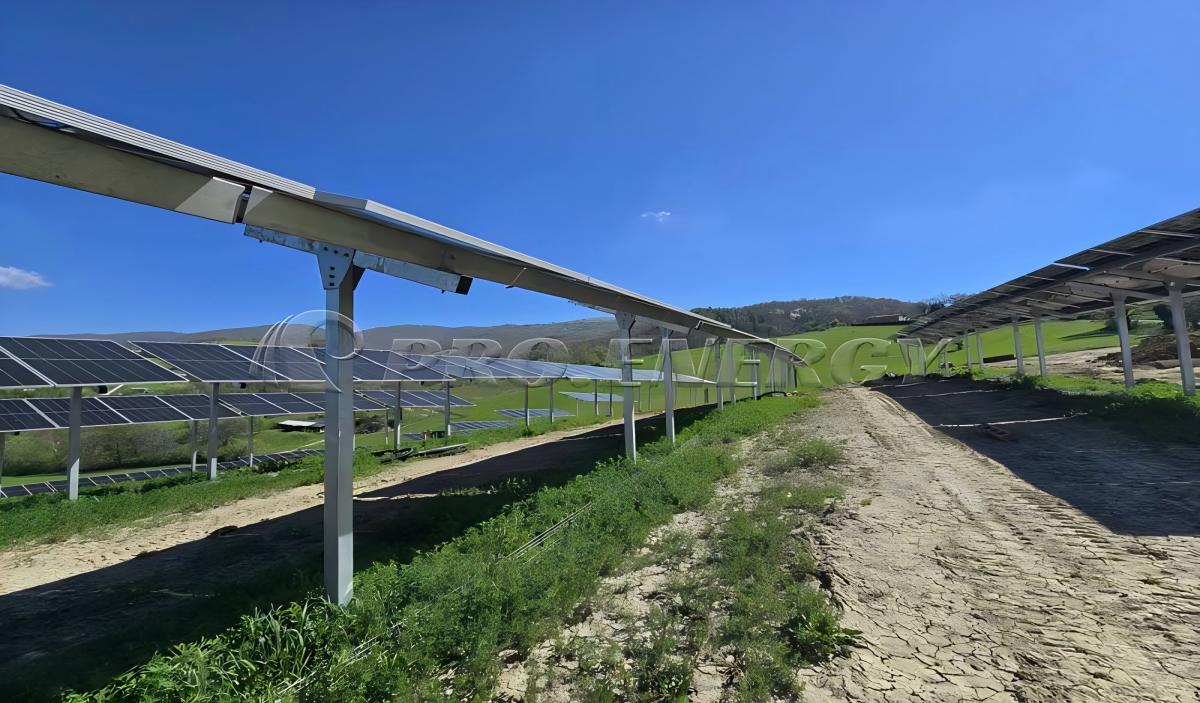
Based on past exhibitions, agro-solar hybrid support systems and installation systems adapted to special terrains are key exhibits at the PV EXPO. High-span agricultural shed-style support systems and single-column agricultural solar PV support systems are two noteworthy product directions. High-span structures reduce farmland occupation through large spans and fewer columns, reserving ample space for crop planting and agricultural machinery access; single-column solutions maximize ground clearance. Both support flexible adjustment of module spacing and tilt angle to adapt to the different light requirements of crops, precisely matching the Japanese market's core demand for "no reduction in power generation."
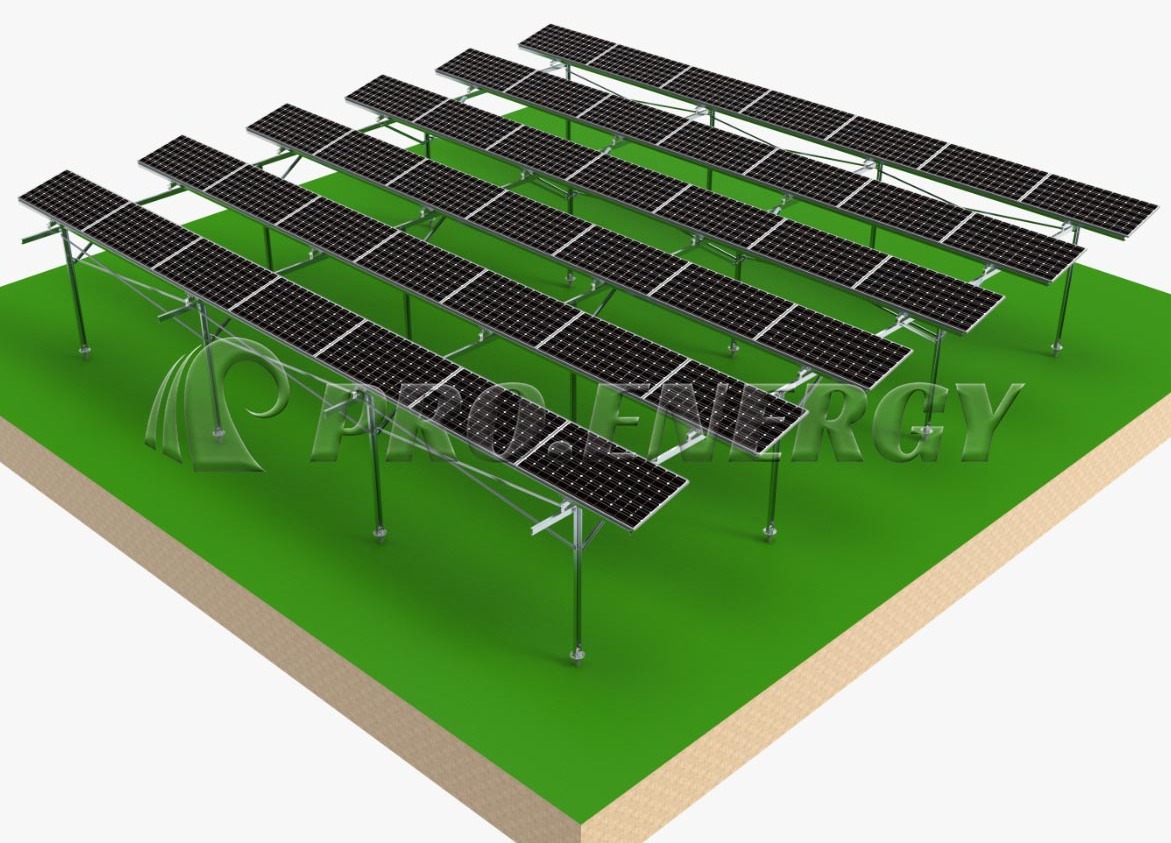
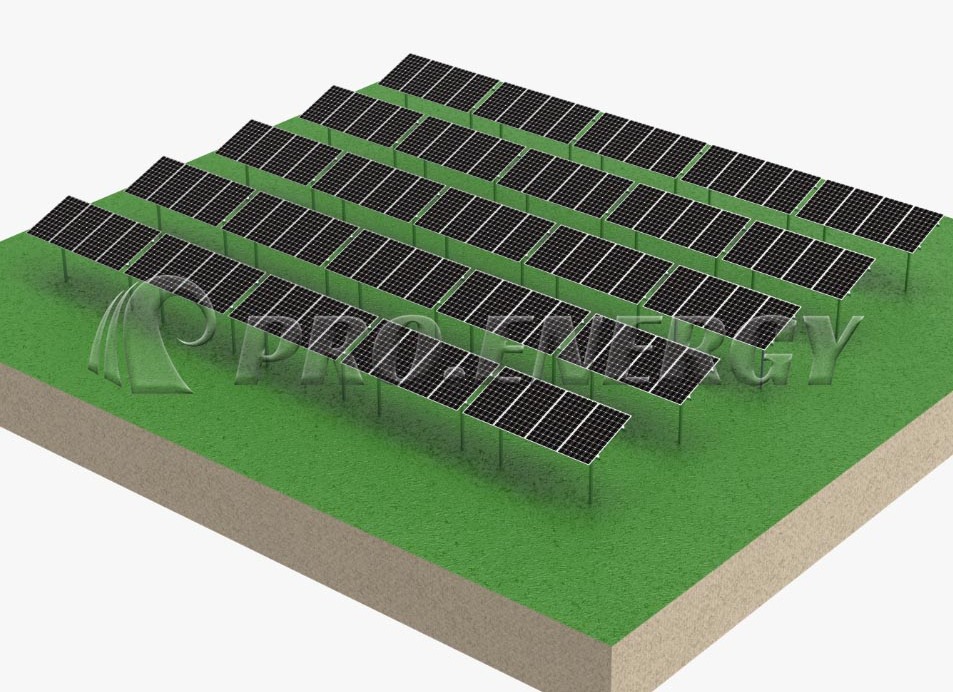
Overall, the PV EXPO Autumn Exhibition is an important window for observing the evolution and market trends of photovoltaic-agricultural complementary technologies in Japan. Professional visitors can focus on the ground clearance, span design, and crop light adaptation capabilities of related support products.
- How can the drainage design of PV carports balance waterproofing with structural safety?
- What are the advantages and key design considerations of waterproof solar carports?
- Metal Roofs vs. Tile Roofs: Which is Better for Solar PV Installation?
- Single-column or double-column ground-mounted support systems: Which is more suitable for your photovoltaic power station?
- 2026 PV EXPO Autumn Exhibition Visitor Guide and Agricultural Photovoltaic Complementary Technology Trends
- How do you select the appropriate ground clearance for an agrivoltaic system?