
What are the advantages and key design considerations of waterproof solar carports?

Author
PROFENCE.ENERGY was established in 2014 with a focus on the design and manufacturing of solar mounting systems and related products
As the integration of new energy and architecture advances, waterproof solar carports are becoming a popular choice for both commercial/industrial and residential settings. Ranging from standard PV carports and waterproof PV carports to BIPV (Building-Integrated Photovoltaics) carports, their core value lies in combining power generation, shading, and structural protection into a single solution.
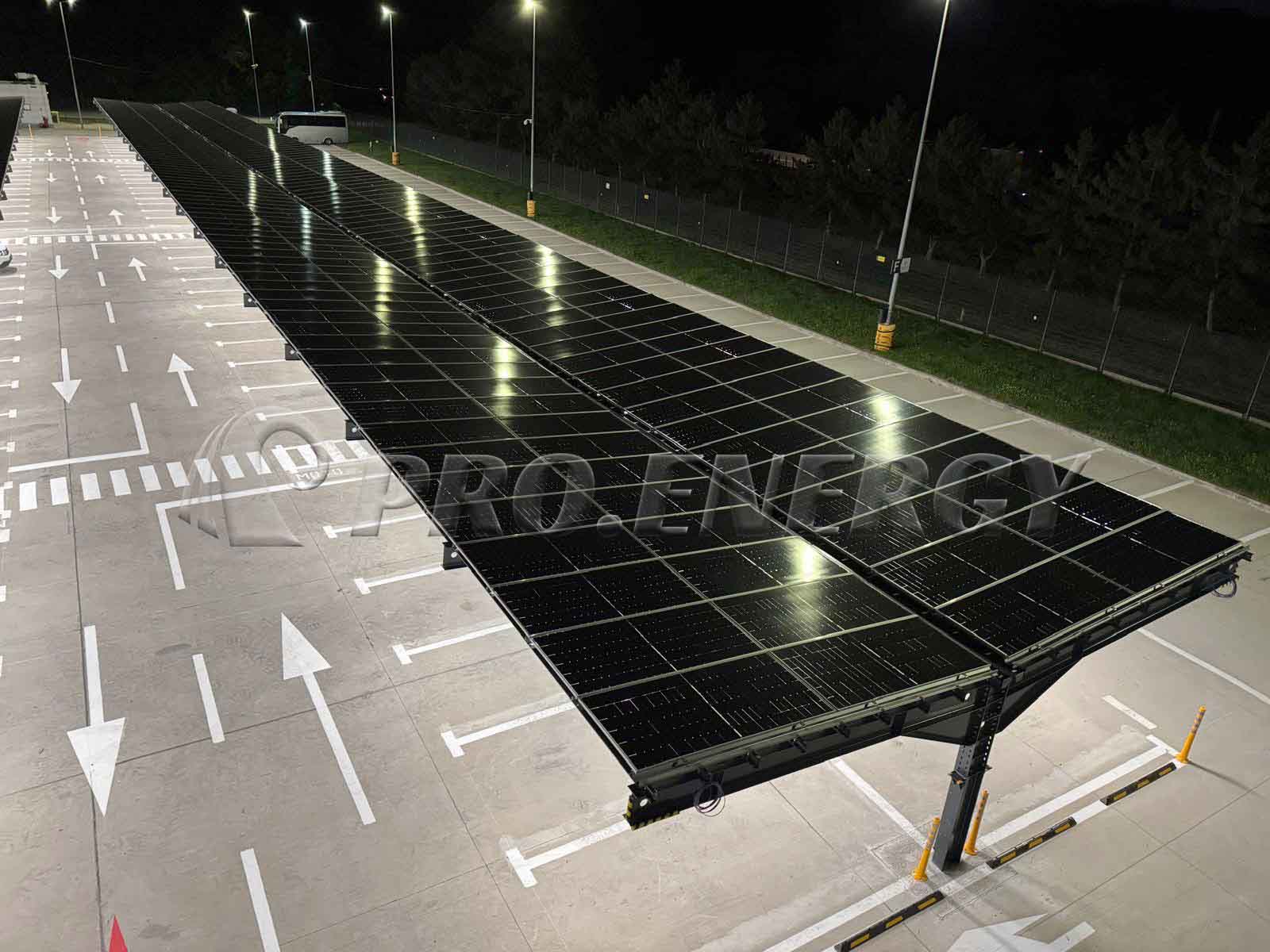
In terms of application advantages, while standard PV carports focus on space optimization and green energy generation, waterproof carports go a step further by providing rain protection for vehicles, thereby eliminating the need for—and cost of—constructing a separate roof. From a BIPV perspective, these carports function as actual building components; they can replace traditional canopies, providing integrated waterproofing and power generation while enhancing the overall return on investment.
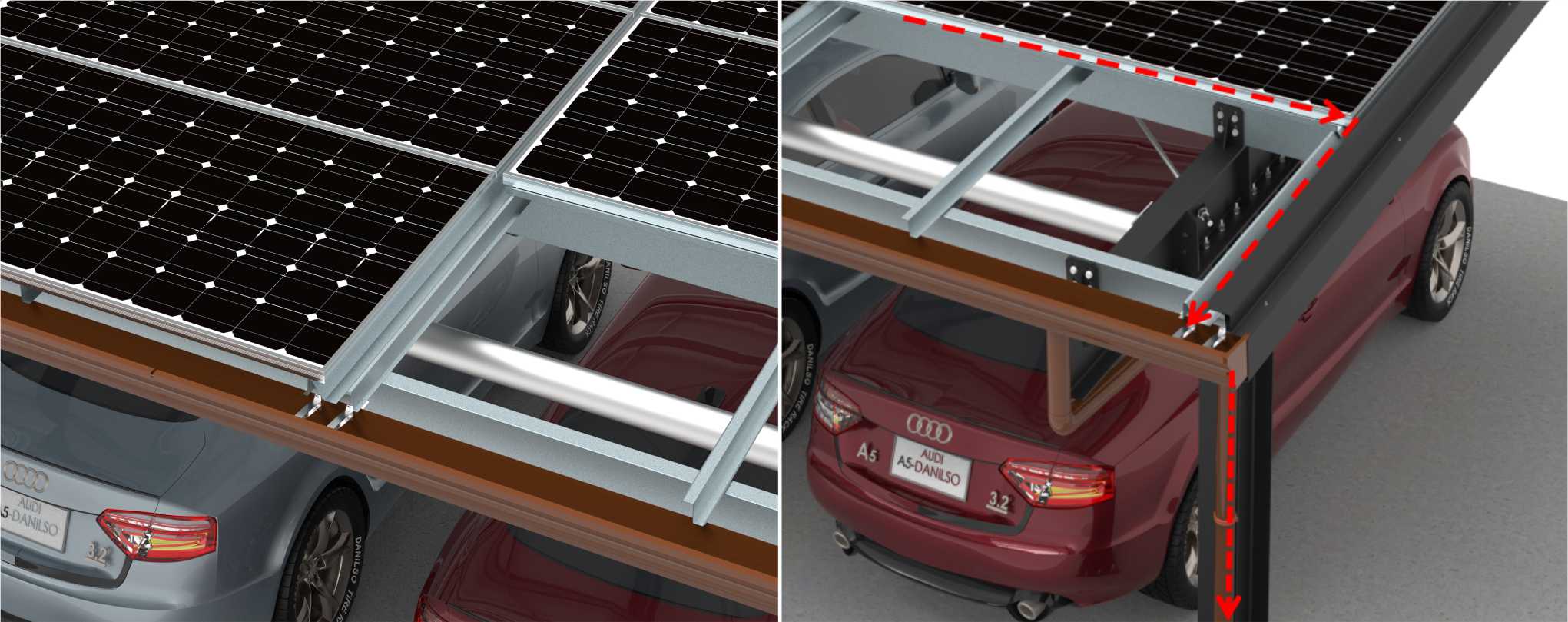
Regarding design, waterproofing and structural safety are paramount. Take the mature "Type I" waterproof mounting system available on the market: it typically features an integrated drainage channel design that eliminates the need for an additional waterproofing layer. By combining high-strength aluminum alloy and stainless steel, it meets rigorous wind load standards, while pre-assembly and tool-free snap-fit designs significantly reduce on-site labor costs.
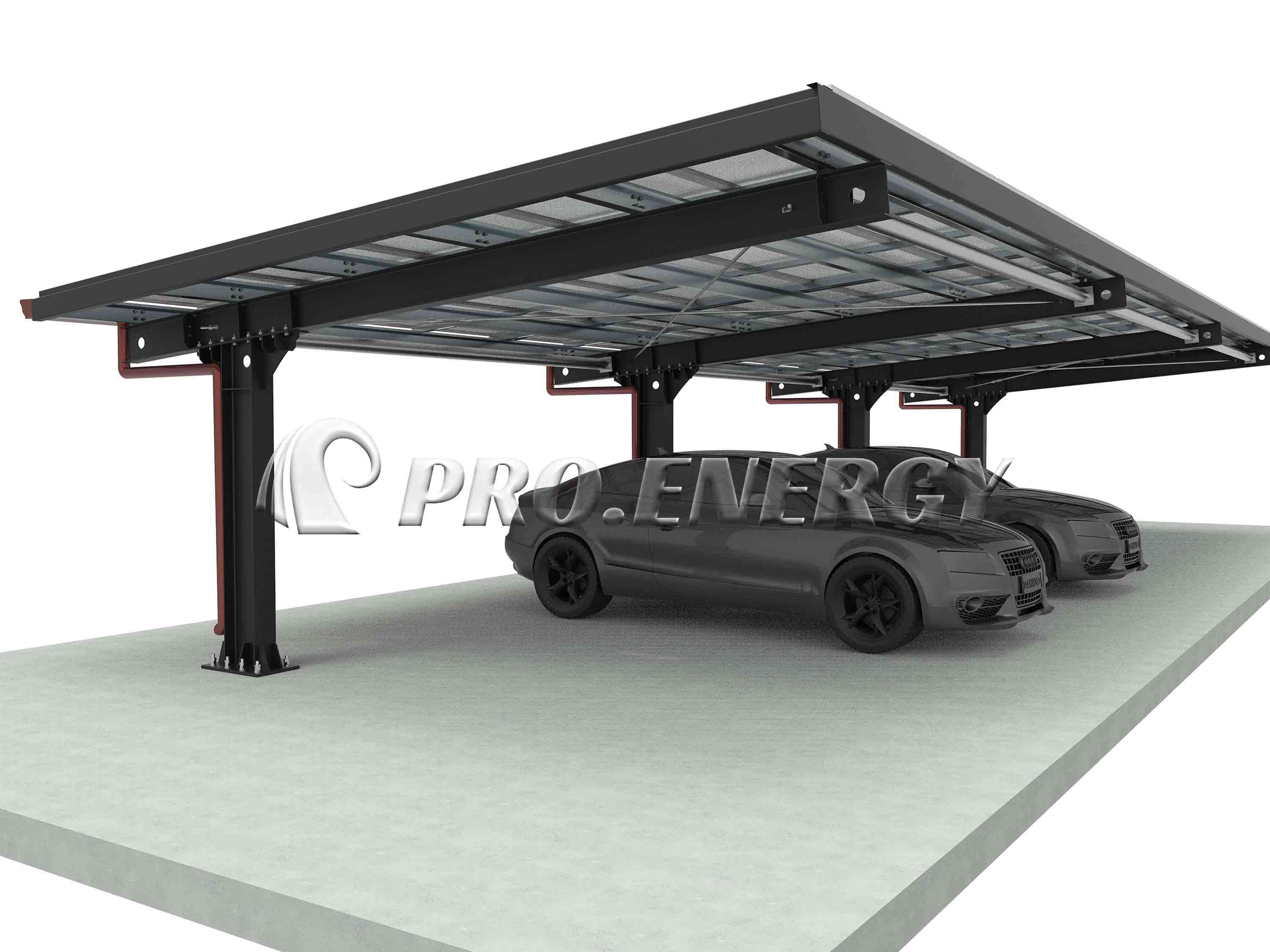
Meanwhile, the "Type IV" modular mounting system offers a different approach: it maximizes space utilization through modular assembly and allows for customized color finishes to suit various environments, with corrosion-resistant and waterproof designs that reliably protect vehicles from the elements.
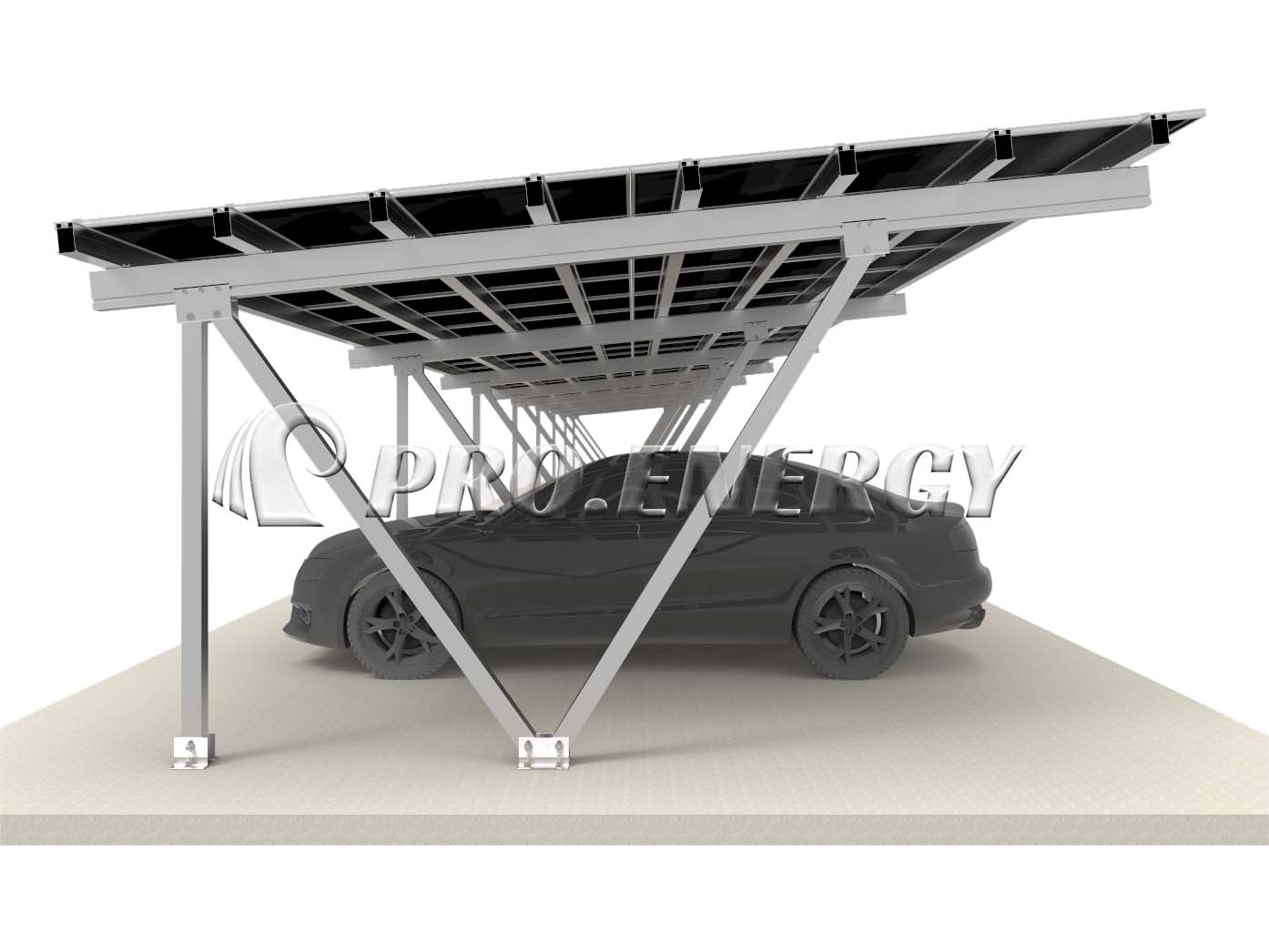
Overall, when selecting a waterproof solar carport, key factors to consider include whether the drainage design is integrated, whether the materials offer sufficient corrosion resistance for the local climate, and whether the installation process is efficient and cost-effective. By taking into account specific wind and snow load requirements as well as site conditions, one can achieve the right balance between power generation benefits and structural protection within the context of the BIPV trend.
- How can the drainage design of PV carports balance waterproofing with structural safety?
- What are the advantages and key design considerations of waterproof solar carports?
- Metal Roofs vs. Tile Roofs: Which is Better for Solar PV Installation?
- Single-column or double-column ground-mounted support systems: Which is more suitable for your photovoltaic power station?
- 2026 PV EXPO Autumn Exhibition Visitor Guide and Agricultural Photovoltaic Complementary Technology Trends
- How do you select the appropriate ground clearance for an agrivoltaic system?