How to Choose an Anti-Corrosion Solution for Agri-PV Mounting Systems?

Author
PROFENCE.ENERGY was established in 2014 with a focus on the design and manufacturing of solar mounting systems and related products
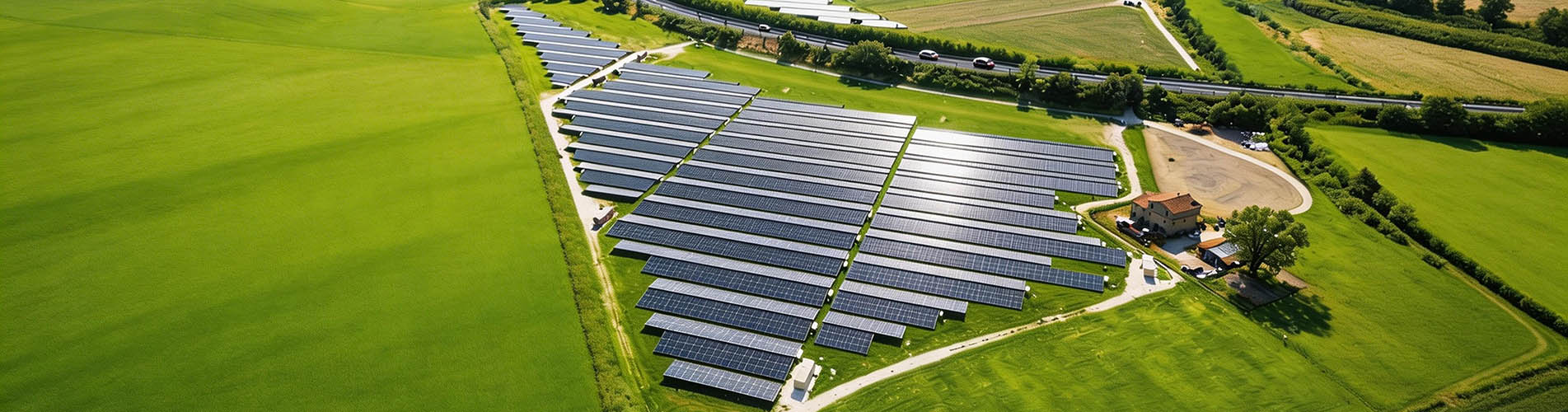
Agri-PV projects integrate photovoltaic power generation with agricultural production on the same land. The mounting structures are exposed to outdoor environments for extended periods, facing multiple challenges such as high humidity, chemical fertilizer corrosion, and acidic soil. The quality of the anti-corrosion treatment directly impacts the structure's service life and safety.
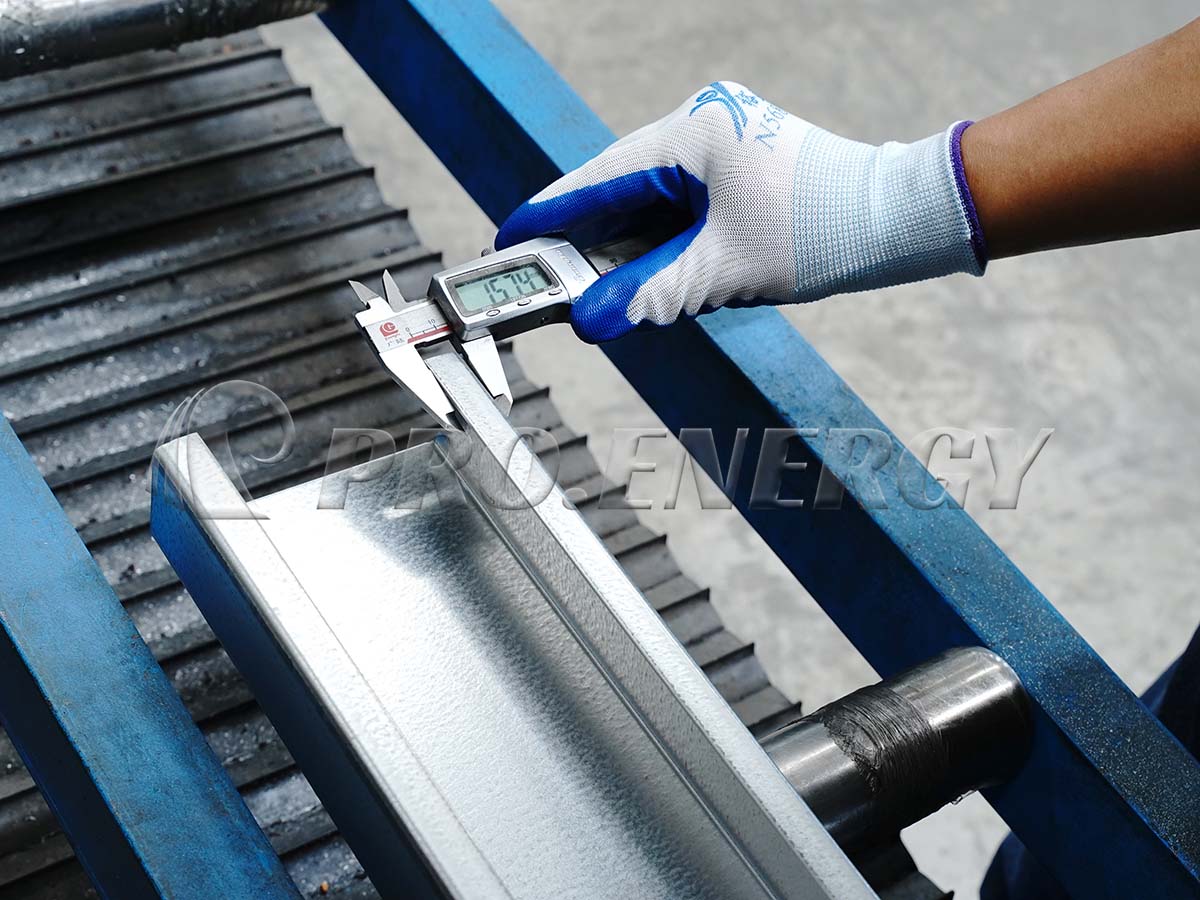
Currently, there are two mainstream anti-corrosion solutions: hot-dip galvanizing and Zinc-Aluminum-Magnesium (Zn-Al-Mg) coating.
Hot-dip galvanizing is a widely used, traditional process that creates a dense zinc layer on the steel surface to effectively block air and moisture; it is a mature technology known for high reliability. Zinc-Aluminum-Magnesium is a newer alloy coating material containing zinc, aluminum, and magnesium. It offers significantly better corrosion resistance than traditional pure zinc coatings and possesses a "self-healing" capability at cut edges: after cutting or drilling, magnesium ions in the coating migrate to the exposed edge to form a protective film, effectively inhibiting the spread of rust.
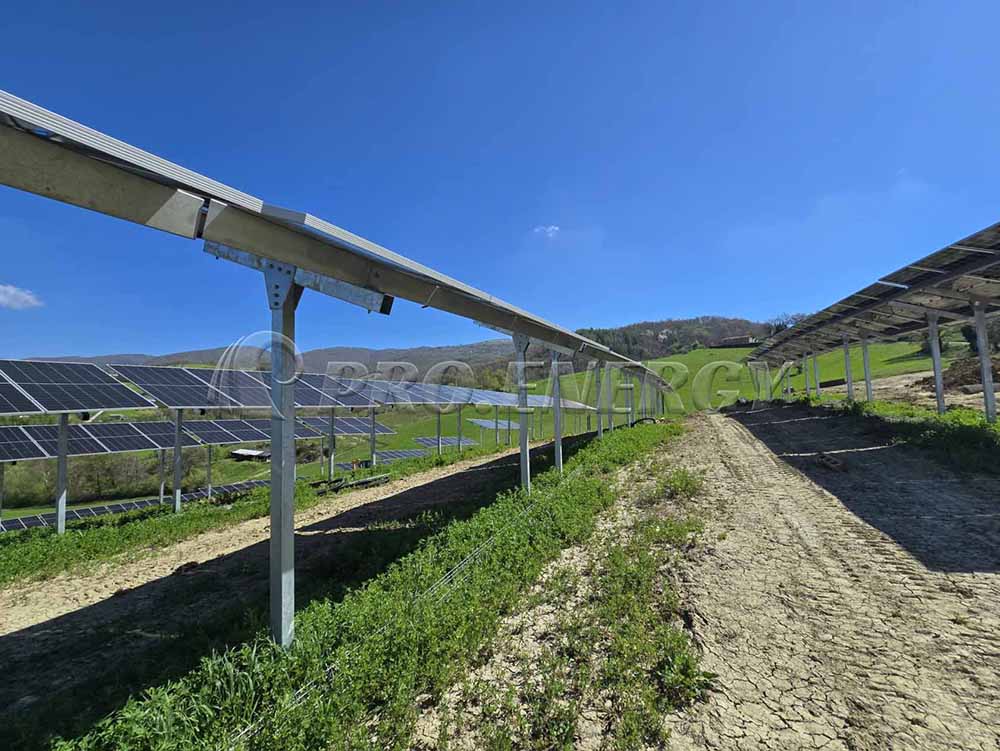
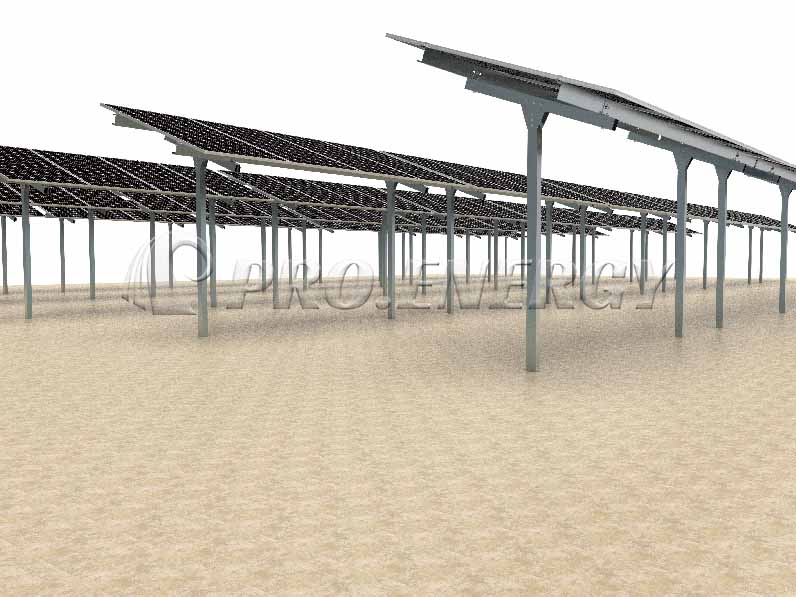
Taking Crop-Over agri-PV mounting systems and Single-column agri-PV mounting systems as examples, both types can utilize Q355/Q235 high-strength carbon steel as the base material combined with a hot-dip galvanized or Zn-Al-Mg coating. The hot-dip galvanizing solution is technologically mature and cost‑effective, meeting the requirements for most agricultural settings. The Zn-Al-Mg solution offers superior corrosion resistance, making it particularly suitable for projects in harsh corrosive environments, such as coastal mudflats or high‑humidity farmlands.
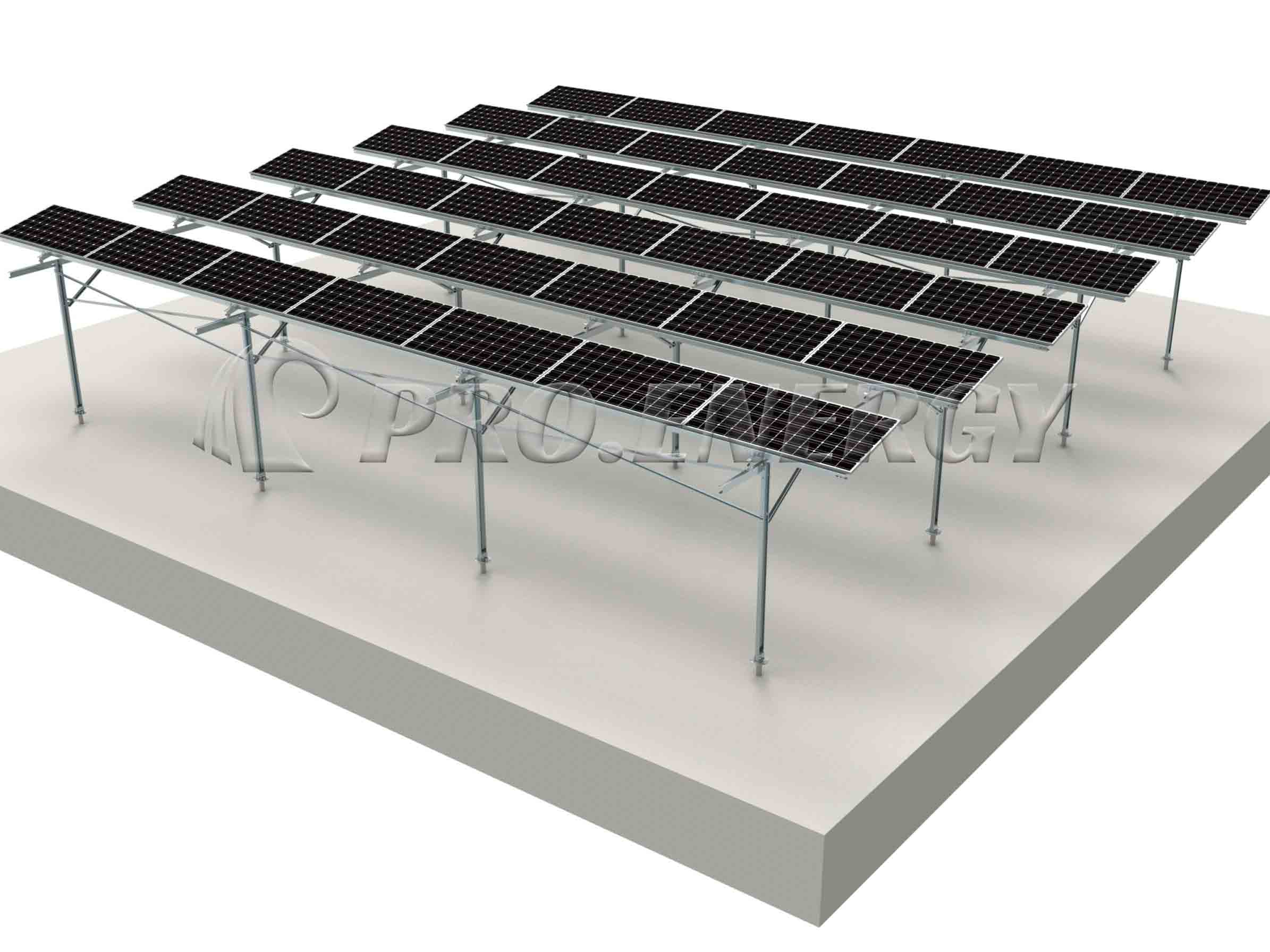
Both solutions meet the design requirement for a 25‑year service life; the specific choice should be based on a comprehensive assessment of the project site's climatic conditions and soil characteristics.
Additionally, PV greenhouse mounting systems incorporate a polycarbonate (PC) sheet covering over the structure, providing extra physical protection. The PC sheets themselves feature excellent weather and impact resistance—withstanding extreme weather like strong winds and hail—thereby further extending the system's overall service life.
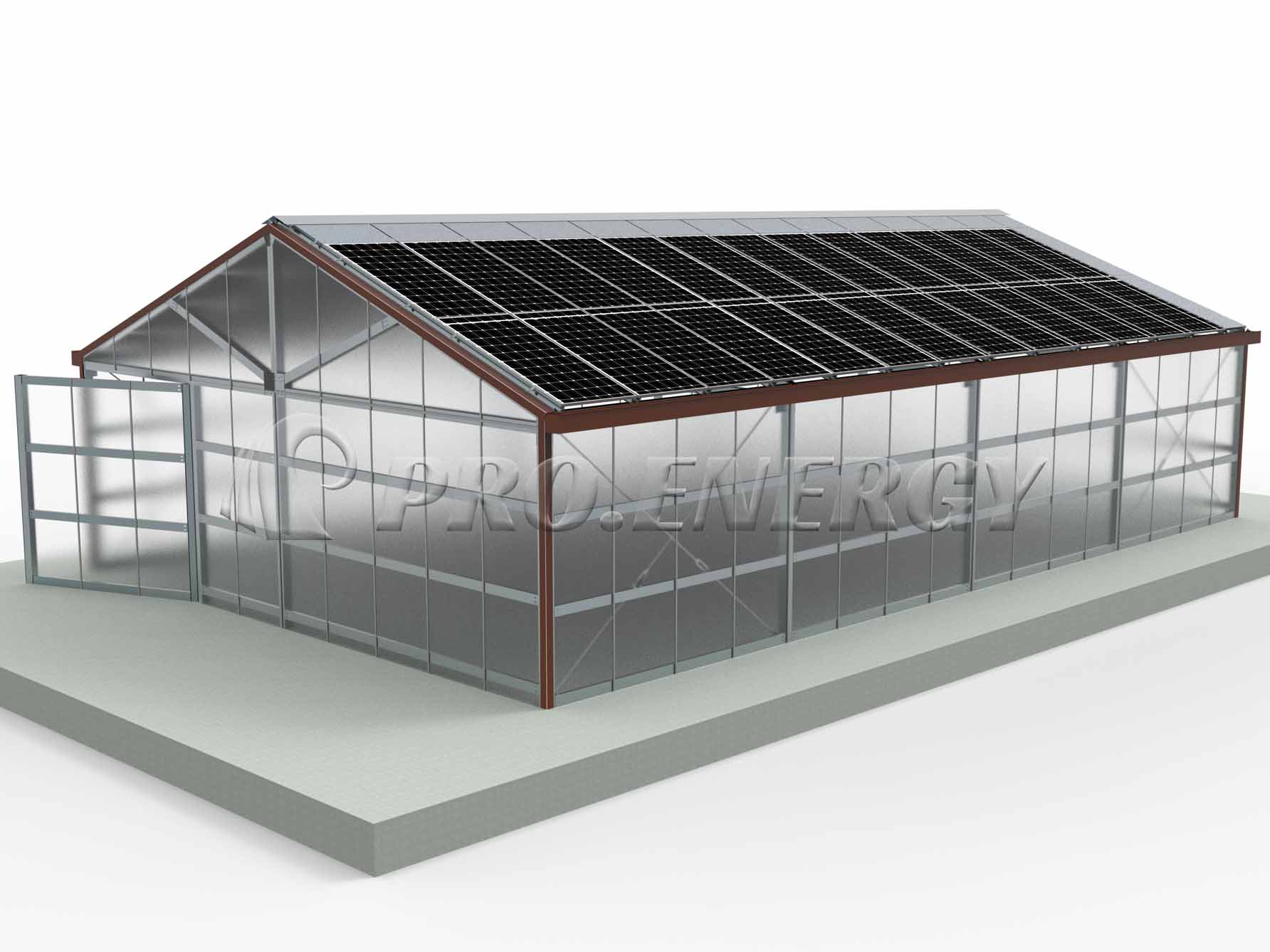
In summary, both hot-dip galvanizing and Zn‑Al‑Mg are reliable choices for coastal or highly corrosive areas. Selecting the appropriate anti‑corrosion solution is essential to ensure the long‑term, stable operation of the mounting system amidst the dual demands of agriculture and photovoltaics.
- How can the drainage design of PV carports balance waterproofing with structural safety?
- What are the advantages and key design considerations of waterproof solar carports?
- Metal Roofs vs. Tile Roofs: Which is Better for Solar PV Installation?
- Single-column or double-column ground-mounted support systems: Which is more suitable for your photovoltaic power station?
- 2026 PV EXPO Autumn Exhibition Visitor Guide and Agricultural Photovoltaic Complementary Technology Trends
- How do you select the appropriate ground clearance for an agrivoltaic system?