
How to Choose Clamps for Solar Photovoltaic Installation on Corrugated Steel Sheet Roofs?

Author
PROFENCE.ENERGY was established in 2014 with a focus on the design and manufacturing of solar mounting systems and related products
In commercial and industrial distributed photovoltaic projects, corrugated steel sheet roofs have become the preferred choice for many factory rooftop power stations due to their ease of construction and good load-bearing adaptability. As a key component connecting the roof and the support structure, the appropriate selection of corrugated steel sheet clamps directly affects the power station's wind resistance, waterproofing, and long-term performance.
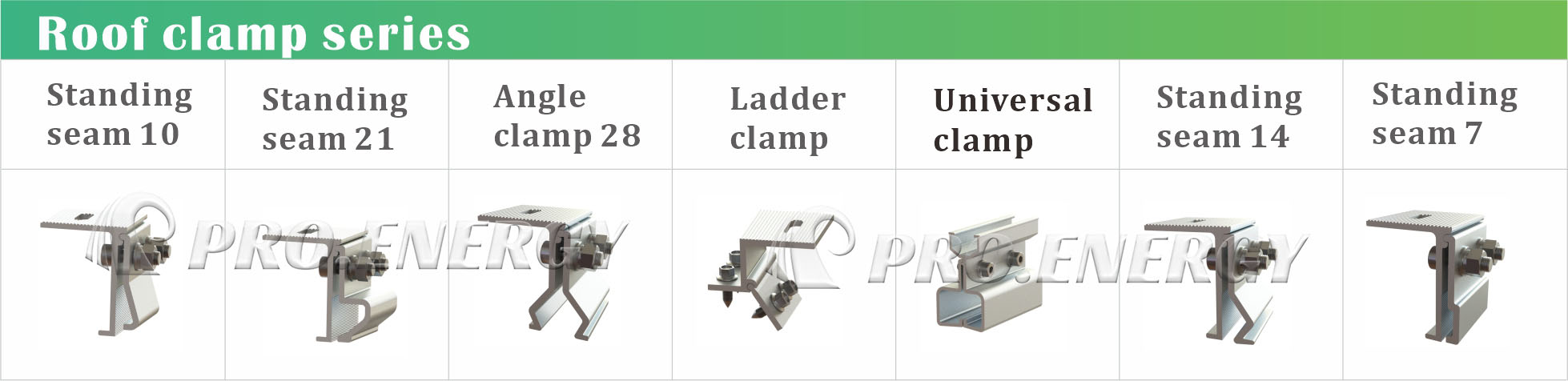
Currently, clamps on the market are mainly divided into standing seam, angled seam, trapezoidal, and general-purpose clamps, basically covering most common corrugated steel sheet profiles such as standing seam, angled seam, and corrugated. These clamps all use a clamping installation method, without penetrating the roof, so the original waterproofing structure can be completely preserved, while also being able to withstand wind speeds of up to 48 m/s. In terms of materials, AL6005-T5 aluminum alloy rails and SUS304 stainless steel fasteners are generally used, offering good corrosion resistance and stable use in tropical and coastal areas.
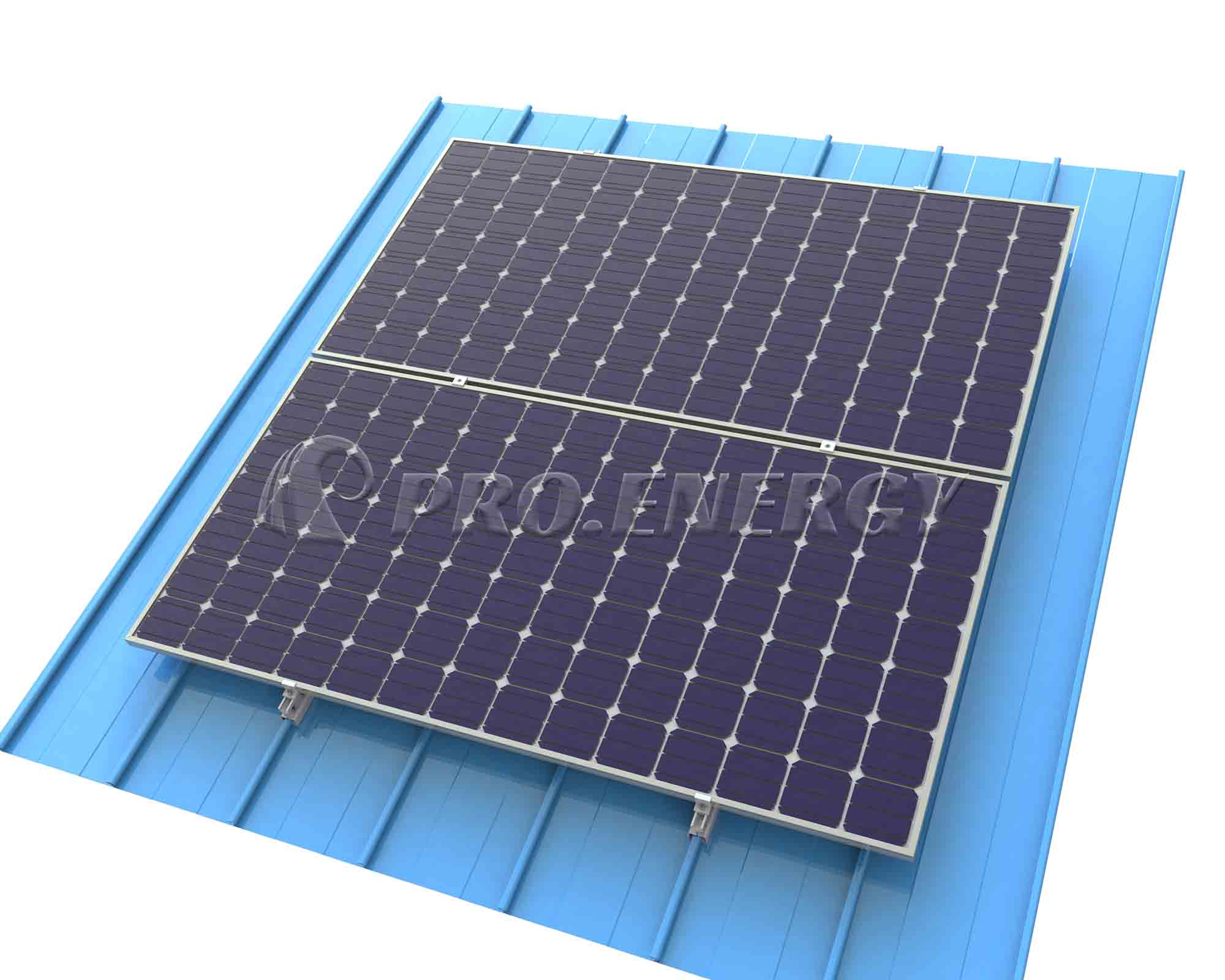
Regarding the supporting solutions, conventional rail systems and mini rail systems each have their own strengths. Conventional guide rail systems support flexible vertical or horizontal component arrangement, unrestricted by roof ribs, allowing for more efficient use of roof area and making them suitable for megawatt-scale large-scale industrial and commercial projects. The installation process is relatively mature, meeting the needs of large-scale centralized construction, and is widely used in industrial plants and logistics warehouses.
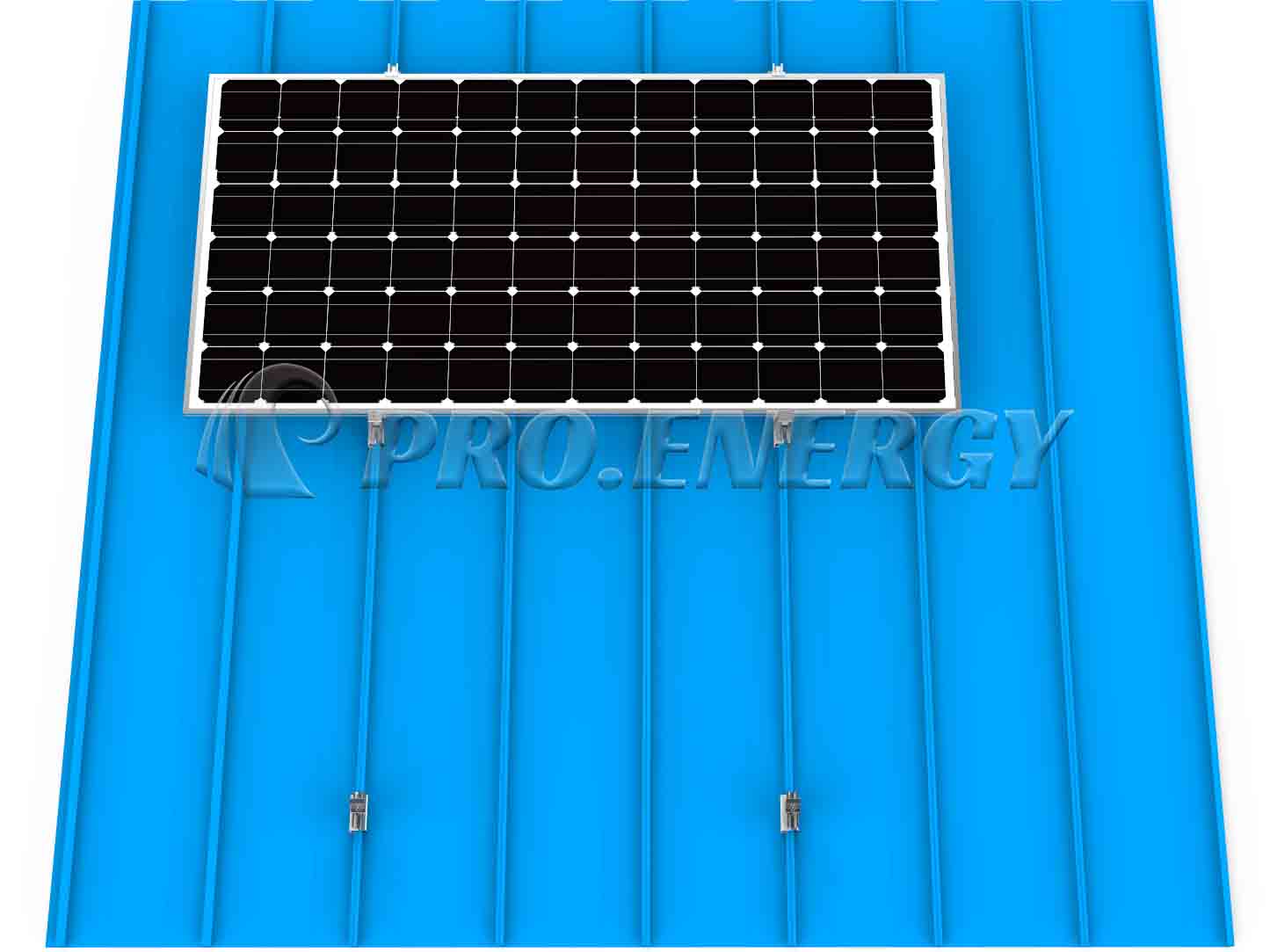
Mini guide rail systems are more streamlined, compact in structure, use less material, and are lighter. This not only reduces logistics and warehousing costs but also simplifies installation, making overall project costs easier to control. They are particularly suitable for small to medium-sized commercial roofs or renovation projects of existing buildings.
In general, there is no fixed answer to the selection; the key factors are the roof tile type, project scale, load requirements, and budget. Different combinations of clamps and guide rails can flexibly meet various needs, from large power plants to small roofs.
- How can the drainage design of PV carports balance waterproofing with structural safety?
- What are the advantages and key design considerations of waterproof solar carports?
- Metal Roofs vs. Tile Roofs: Which is Better for Solar PV Installation?
- Single-column or double-column ground-mounted support systems: Which is more suitable for your photovoltaic power station?
- 2026 PV EXPO Autumn Exhibition Visitor Guide and Agricultural Photovoltaic Complementary Technology Trends
- How do you select the appropriate ground clearance for an agrivoltaic system?