
How to Select Sound Barriers for Urban and Industrial Noise Reduction Scenarios?

Author
PROFENCE.ENERGY was established in 2014 with a focus on the design and manufacturing of solar mounting systems and related products
In urban construction and industrial areas, construction noise, equipment operation noise, and traffic noise have become significant issues affecting the quality of the surrounding environment. As a common noise reduction method, the structural design of sound barriers directly impacts their actual sound insulation effect. Different noise environments have different requirements for sound barriers, necessitating the selection of appropriate solutions based on specific scenarios.
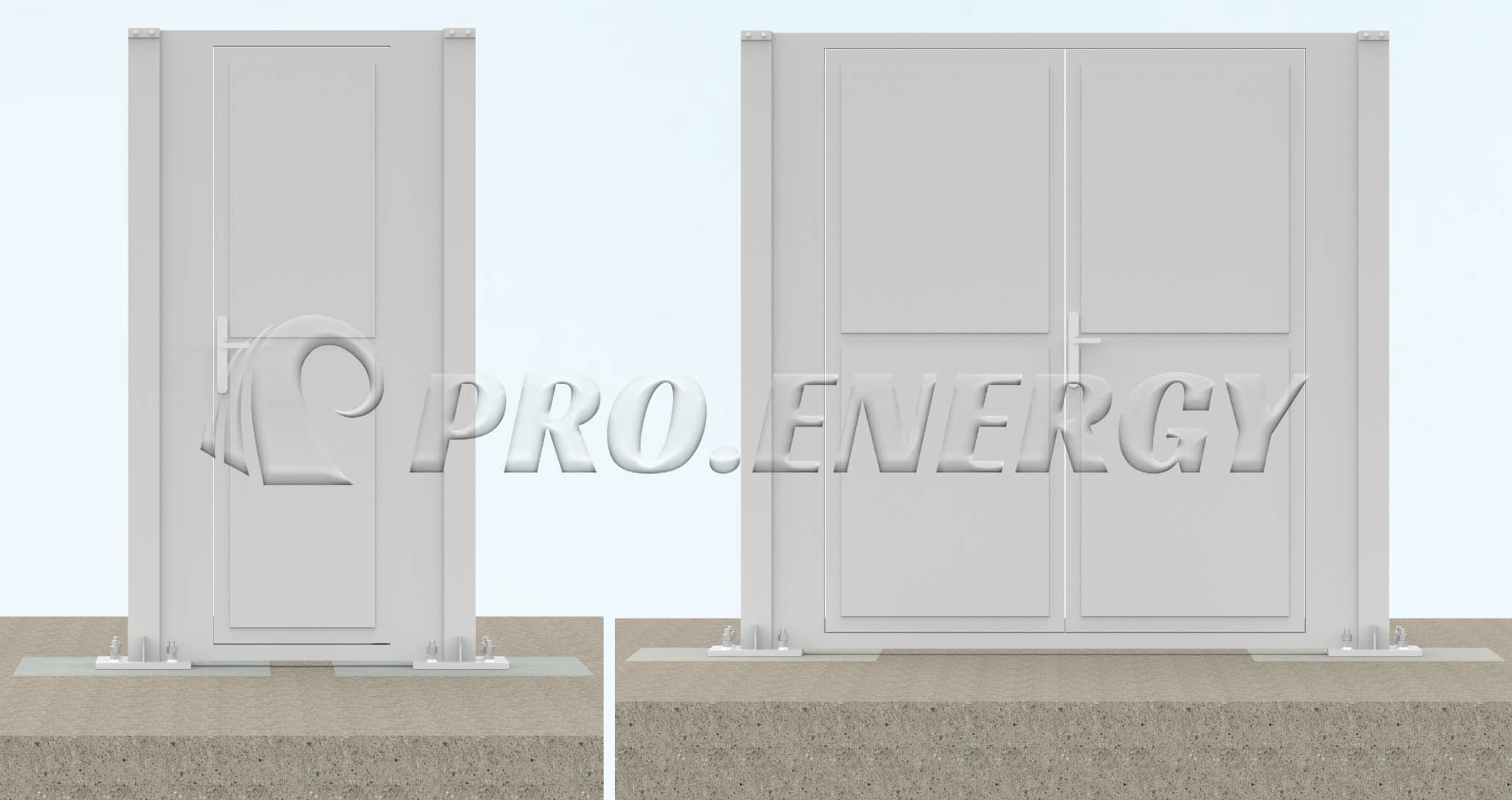
For general noise reduction needs, such as along urban roads or around construction sites, standard sound barriers are a common choice. They employ a multi-layered composite sound insulation structure, achieving an overall noise reduction range of approximately 10-18 dB. Equipped with access doors for convenient daily maintenance and vehicle access, they feature high-strength support columns and offer relatively excellent cost-effectiveness.
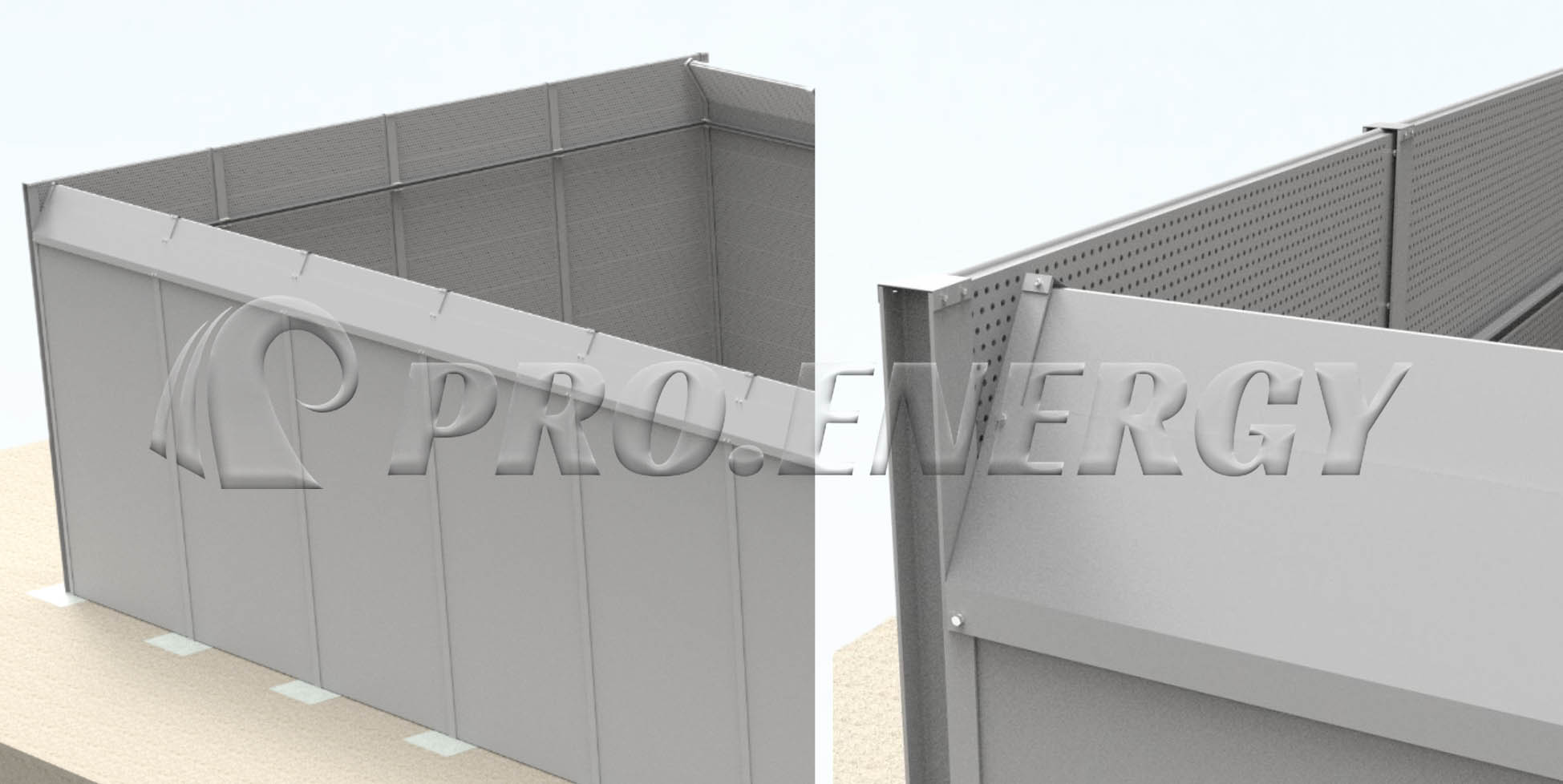
At construction site boundaries or in areas with concentrated equipment near residential areas, where noise sources are persistent and contain a high proportion of low-frequency components, higher requirements for noise reduction effectiveness are needed. The reinforced, folded-edge sound barrier adds a folded edge design to the standard structure. Sound waves dissipate energy during the folding process, further enhancing the blocking effect against mid-to-low frequency noise. Combined with a sealed design, it offers excellent waterproof and dustproof performance, making it suitable for locations with stringent noise reduction standards.
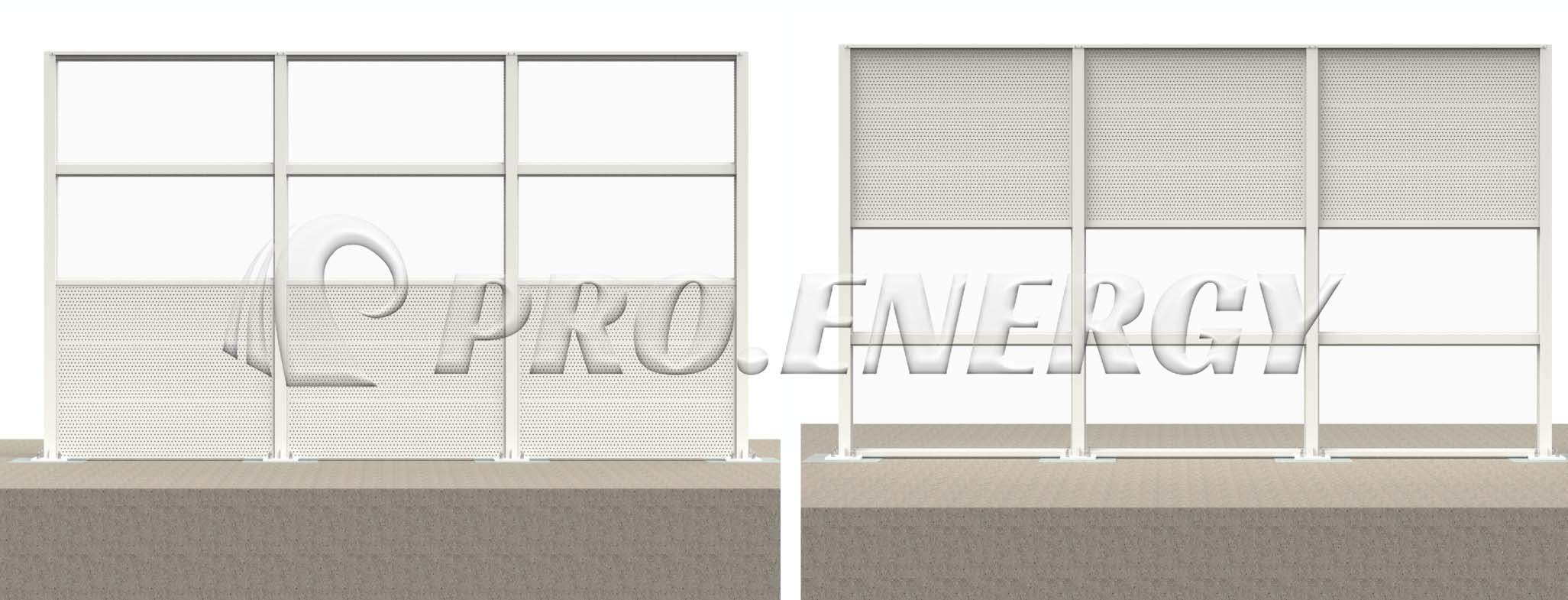
However, for areas such as factory passageways and pedestrian walkways in industrial parks, completely enclosed barriers can create a sense of confinement. The translucent sound barrier adds a light-transmitting panel in addition to its soundproofing function, balancing noise reduction and lighting needs, improving the passage experience while maintaining stable sound insulation performance.
In general, the selection of a sound barrier should be based on a comprehensive assessment of specific site conditions and noise reduction goals. The standard model can be used for general noise reduction scenarios, the folded-edge model is preferred for high-noise areas, and the translucent model is more suitable for occasions where visibility and aesthetics are also important.
- How do coastal PV carports withstand salt spray and strong winds?
- How can the drainage design of PV carports balance waterproofing with structural safety?
- What are the advantages and key design considerations of waterproof solar carports?
- Metal Roofs vs. Tile Roofs: Which is Better for Solar PV Installation?
- Single-column or double-column ground-mounted support systems: Which is more suitable for your photovoltaic power station?
- 2026 PV EXPO Autumn Exhibition Visitor Guide and Agricultural Photovoltaic Complementary Technology Trends