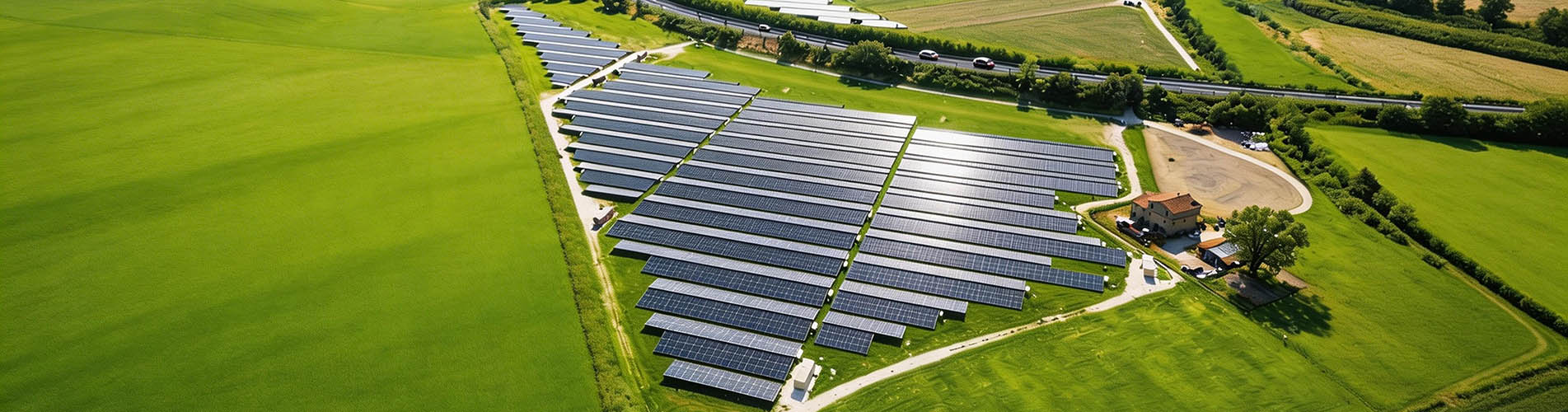
How to Install Solar Photovoltaic Mounting Brackets on Sloping Terrain?

Author
PROFENCE.ENERGY was established in 2014 with a focus on the design and manufacturing of solar mounting systems and related products
Installing ground-mounted solar photovoltaic (PV) brackets on sloping terrain, if done with the traditional approach of large-scale site leveling, would result in excessive earthwork, increased costs, and ecological damage. To address this issue, PV mounting systems for sloping terrain employ a terrain-adaptive installation scheme, with the core focus on adjustable column height and material compatibility.
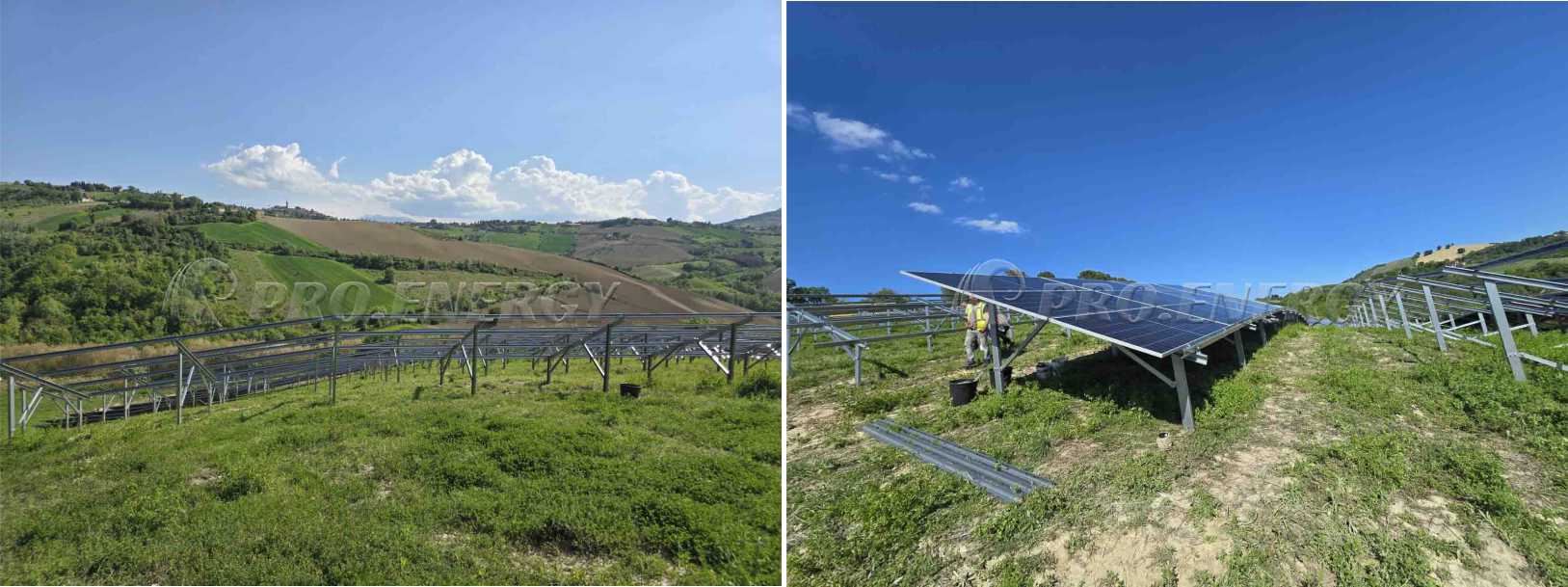
Adjustable Column Height and Airflow Guiding Structure:
This type of support system is made of high-strength hot-dip galvanized steel and includes custom-height columns, inclined main beams, modular purlins, and horizontal support components. The column height can be flexibly adjusted according to the slope of the site, ensuring that the PV module array maintains a uniform optimal tilt angle for sunlight reception even with significant elevation differences, avoiding power generation efficiency losses caused by terrain undulations. Simultaneously, the system features a double-sided airflow guiding structure, which guides airflow, reduces wind resistance, improves wind pressure resistance, and extends the effective sunshine duration of the modules, thereby optimizing power generation efficiency.
Highly Corrosion-Resistant Materials and Adaptability to Slope Environments:
In slope environments, supports are subjected to long-term surface runoff, high humidity, and temperature fluctuations, demanding higher corrosion resistance. These supports utilize SOZAMC coating material, which has a higher aluminum content than conventional zinc-aluminum-magnesium coatings, resulting in superior corrosion resistance and adaptability to the common soil moisture, rainwater erosion, and salt spray environments found in slope areas. High-strength hot-dip galvanized steel possesses excellent deformation resistance, accommodating minor displacements caused by uneven slope settlement and reducing the risk of structural damage. This combination of materials and coatings allows the support system to achieve a design service life of over 25 years with minimal maintenance, making it particularly suitable for complex terrain and difficult-to-maintain slope areas.
- How can the drainage design of PV carports balance waterproofing with structural safety?
- What are the advantages and key design considerations of waterproof solar carports?
- Metal Roofs vs. Tile Roofs: Which is Better for Solar PV Installation?
- Single-column or double-column ground-mounted support systems: Which is more suitable for your photovoltaic power station?
- 2026 PV EXPO Autumn Exhibition Visitor Guide and Agricultural Photovoltaic Complementary Technology Trends
- How do you select the appropriate ground clearance for an agrivoltaic system?