How do you select the appropriate ground clearance for an agrivoltaic system?


Author
PROFENCE.ENERGY was established in 2014 with a focus on the design and manufacturing of solar mounting systems and related products
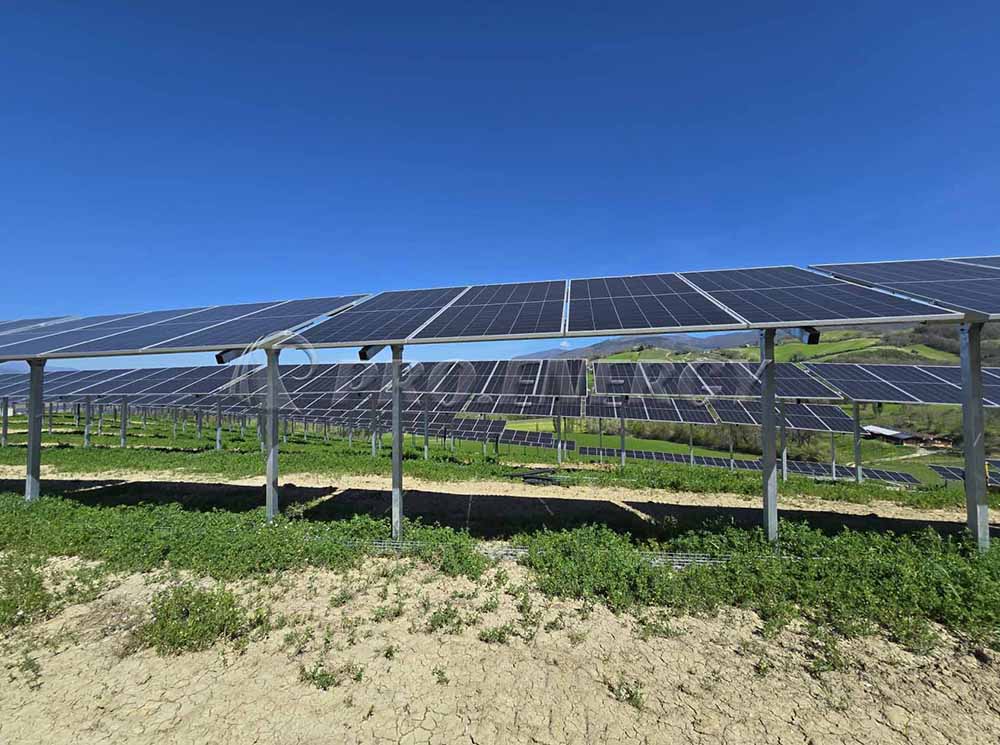
The ground clearance of an agrivoltaic system directly affects the growing conditions of the crops beneath it and the operational efficiency of agricultural machinery. Excessive height increases steel usage and costs, while insufficient height can hinder light exposure and farming operations. Selecting the right height requires balancing power generation revenue with agricultural production needs.
Ground clearance is primarily influenced by three factors:
First is the crop type.
Different crops have distinct requirements for light and space. Light-loving crops, such as wheat and corn, require ample light penetration, whereas shade-tolerant crops—like edible fungi and certain vegetables—can withstand more shading. Tall-stalk crops require greater vertical clearance beneath the panels.
Second is the requirement for agricultural machinery access.
This acts as a hard constraint determining the minimum ground clearance. Large machinery, such as tractors and combine harvesters, requires sufficient clearance to operate freely. Typically, the lowest point of the solar modules must be at least 2.5 meters above the ground, with some wide-span designs requiring a clearance of over 3 meters.
Third is structural cost.
Greater ground clearance necessitates longer support columns and increased steel usage, as well as more robust foundation requirements. Height must be reasonably controlled to optimize project economics while still meeting agricultural production needs.
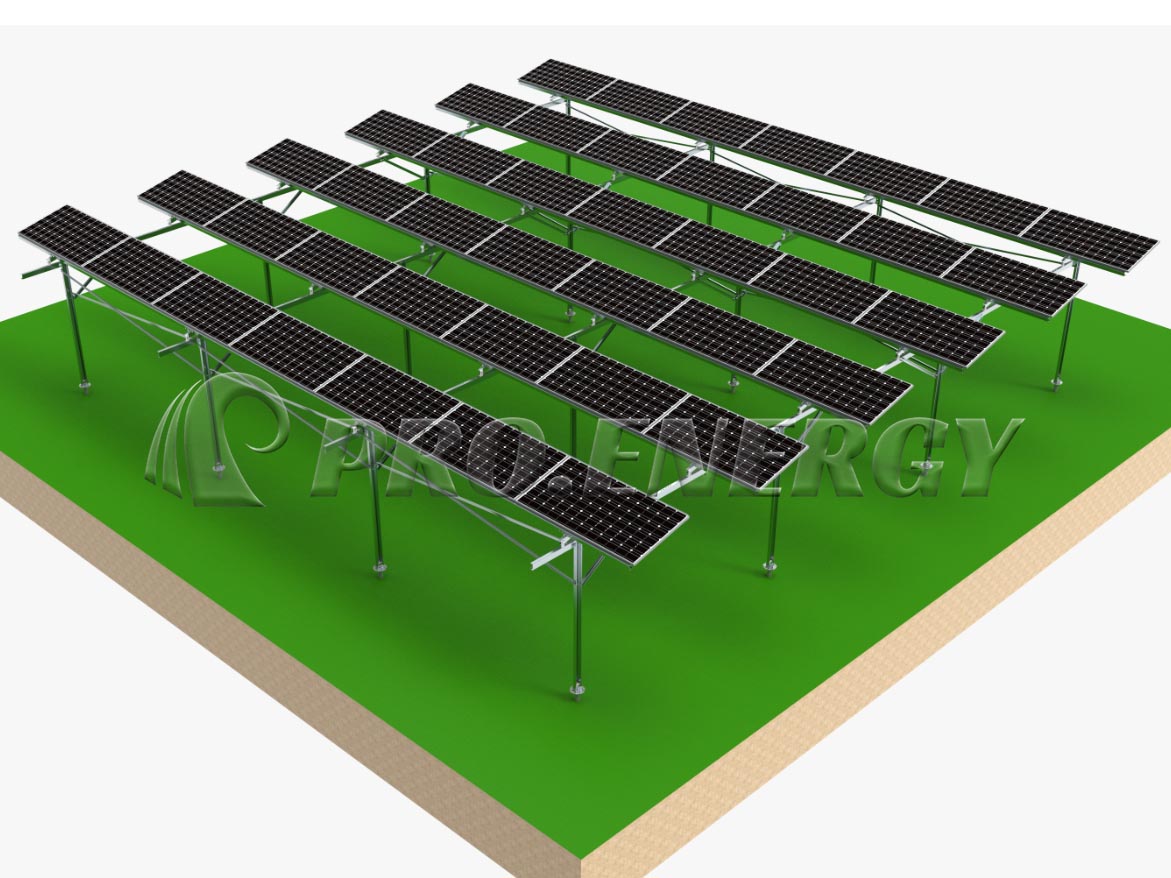
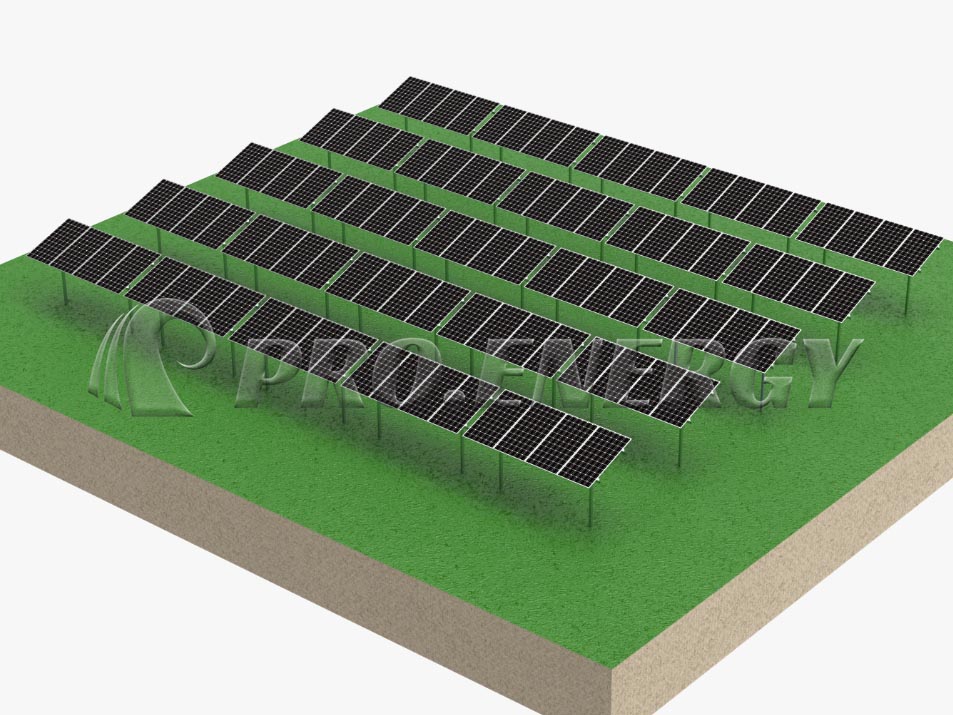
Current agrivoltaic mounting solutions offer different advantages. High-span "agri-shed" structures utilize wide spans and fewer columns, providing ample space for large machinery while accommodating various crop types. Single-column mounting systems maximize ground clearance through their design and allow for flexible adjustments to module spacing and tilt angles, catering to the specific light requirements of different crops.
There is no universal standard for ground clearance in agrivoltaic systems; it must be determined based on a comprehensive assessment of crop types, machinery specifications, and project budgets. During the design phase, priority should be given to meeting the fundamental needs of agricultural production, with power generation efficiency optimized thereafter.
- How can the drainage design of PV carports balance waterproofing with structural safety?
- What are the advantages and key design considerations of waterproof solar carports?
- Metal Roofs vs. Tile Roofs: Which is Better for Solar PV Installation?
- Single-column or double-column ground-mounted support systems: Which is more suitable for your photovoltaic power station?
- 2026 PV EXPO Autumn Exhibition Visitor Guide and Agricultural Photovoltaic Complementary Technology Trends
- How do you select the appropriate ground clearance for an agrivoltaic system?