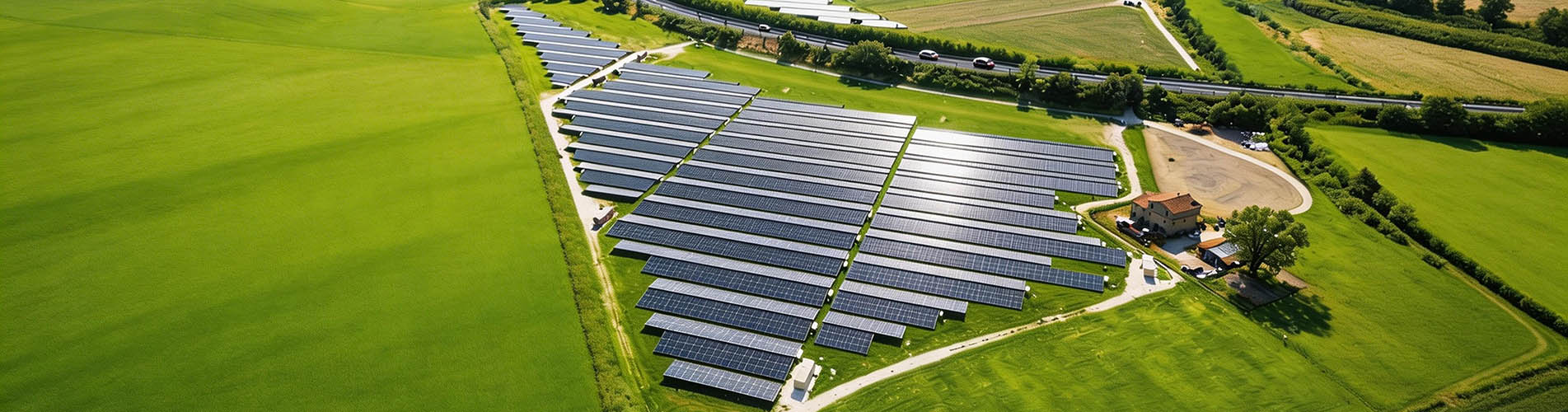
How many years can a solar panel support system last?

Author
PROFENCE.ENERGY was established in 2014 with a focus on the design and manufacturing of solar mounting systems and related products
Solar panel support systems are typically designed for a 25-year lifespan, matching the lifespan of photovoltaic modules. However, in reality, the actual lifespan of different support systems can vary significantly, ranging from a dozen to fifty years. Why? Below, we break down the four core factors affecting the lifespan of support systems from a professional perspective.
Material Selection
Materials are the starting point for determining the lifespan of a support system. High-quality solar panel support systems often use weather-resistant materials such as aluminum alloy, galvanized steel, or stainless steel. Aluminum alloys naturally form a dense oxide film on their surface, offering excellent corrosion resistance and a lifespan of over 25 years. They are also maintenance-free and recyclable. Galvanized steel relies on a hot-dip galvanizing layer for protection and can last 20 to 30 years in general environments. Stainless steel has good corrosion resistance but is more expensive and is mainly used in special applications.
Anti-corrosion Process
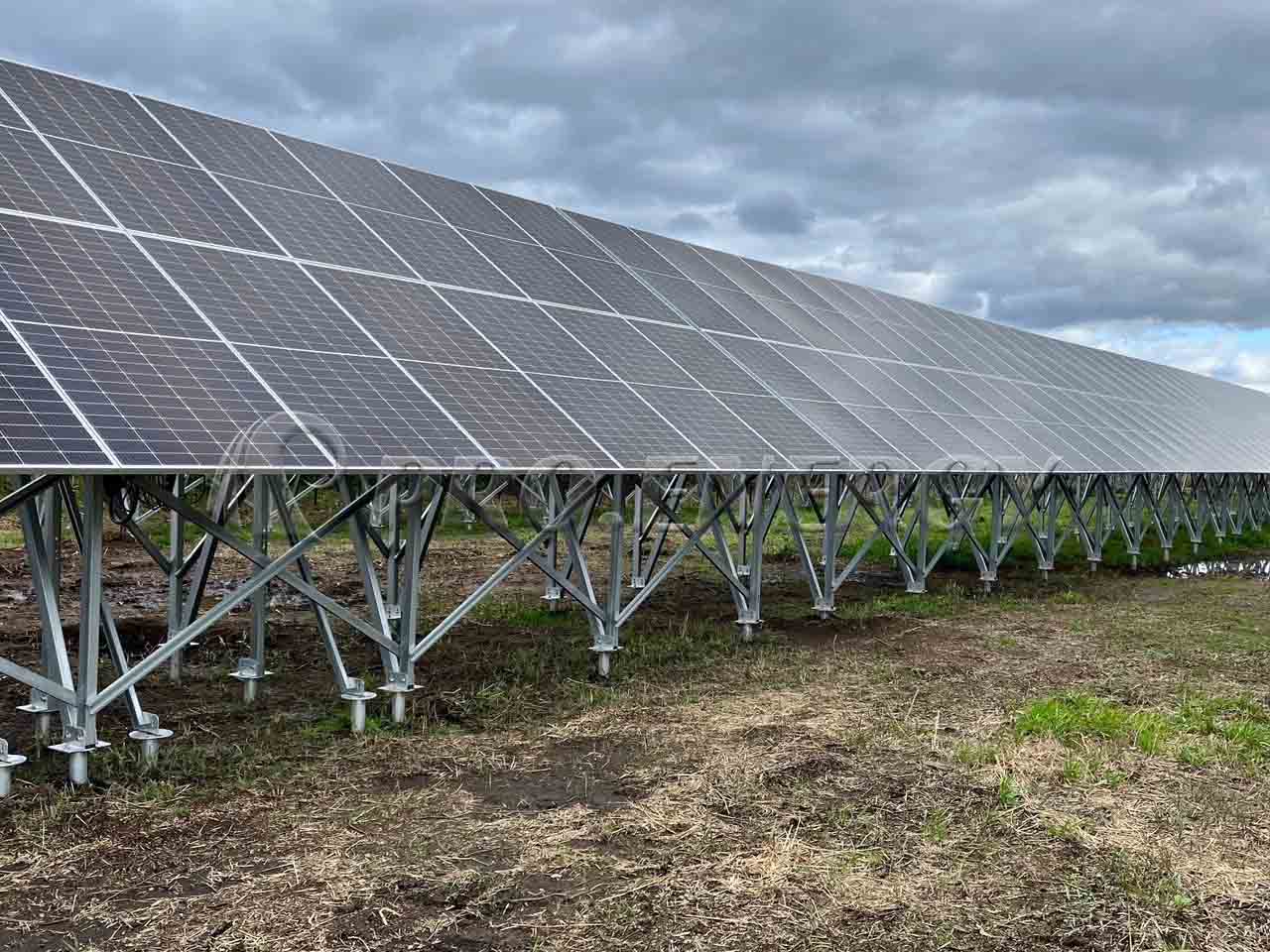
The anti-corrosion process directly determines the durability of the steel support system. The lifespan of traditional hot-dip galvanizing depends on the thickness of the zinc layer. In coastal or industrially polluted areas, if the coating thickness is less than 65 micrometers, corrosion may occur in only 5 to 10 years. The newly emerging ZAM (zinc-aluminum-magnesium) coating, which has emerged in recent years, offers 3 to 10 times the corrosion resistance of ordinary galvanized steel and possesses self-healing properties at the cut edges, meeting the 25-year lifespan requirement even in C5 high-corrosion environments. Therefore, for highly corrosive environments, ZAM-coated steel supports are a more reliable choice.
Environmental Conditions
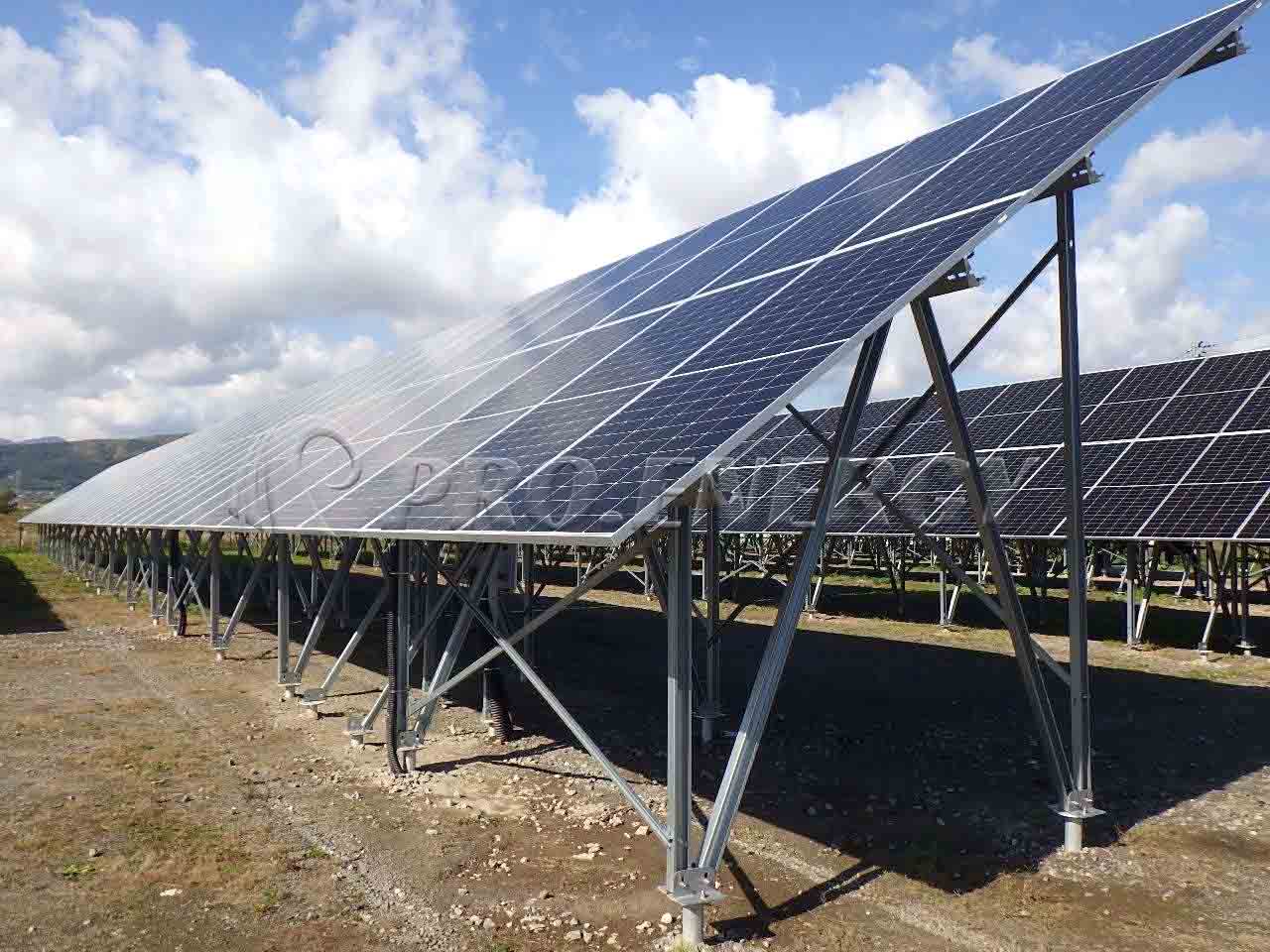
The lifespan of the same support can vary by more than double depending on the environment. According to ISO 9223, atmospheric corrosion levels range from C1 (very low) to CX (extreme). In dry inland areas, ordinary galvanized steel supports can last over 30 years; however, in coastal areas with high salt spray or heavy industrial zones, the lifespan of the same support may be shortened to less than 10 years. Strong ultraviolet radiation and temperature differences at high altitudes also accelerate coating aging. Therefore, the corrosion level of the project site must be assessed before selection, and appropriate materials and coating thicknesses should be matched accordingly.
Design and Installation Quality
A reasonable structural design can prevent water and dust accumulation, reducing the occurrence of localized corrosion. Bolted assembly is superior to on-site welding (welding will damage the coating). Connectors, seals, and other vulnerable parts need to be replaced regularly. Regularly cleaning accumulated dust and repairing rust spots can significantly extend their lifespan.
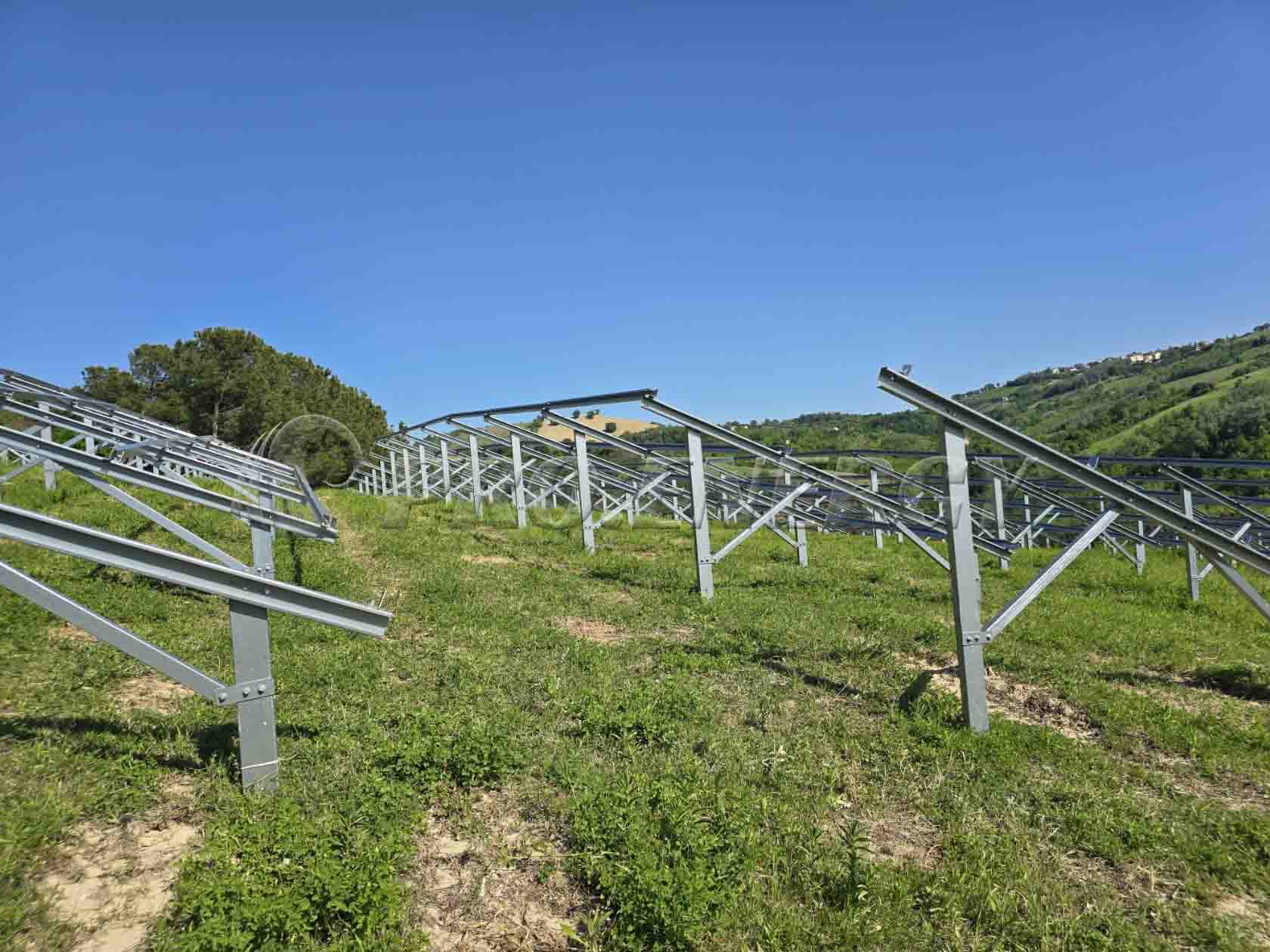
Therefore, when selecting solar power support structures, materials should be chosen to match the environment, and reliable anti-corrosion processes (ZAM-coated steel or aluminum alloy) should be used. Proper design and installation, along with regular maintenance, can ensure a solar support structure can last for over 25 years. In highly corrosive environments, ordinary steel should not be chosen simply because it is cheaper; otherwise, corrosion after a few years will severely impact the power station's profitability.
- How can the drainage design of PV carports balance waterproofing with structural safety?
- What are the advantages and key design considerations of waterproof solar carports?
- Metal Roofs vs. Tile Roofs: Which is Better for Solar PV Installation?
- Single-column or double-column ground-mounted support systems: Which is more suitable for your photovoltaic power station?
- 2026 PV EXPO Autumn Exhibition Visitor Guide and Agricultural Photovoltaic Complementary Technology Trends
- How do you select the appropriate ground clearance for an agrivoltaic system?