How do coastal PV carports withstand salt spray and strong winds?

Author
PROFENCE.ENERGY was established in 2014 with a focus on the design and manufacturing of solar mounting systems and related products
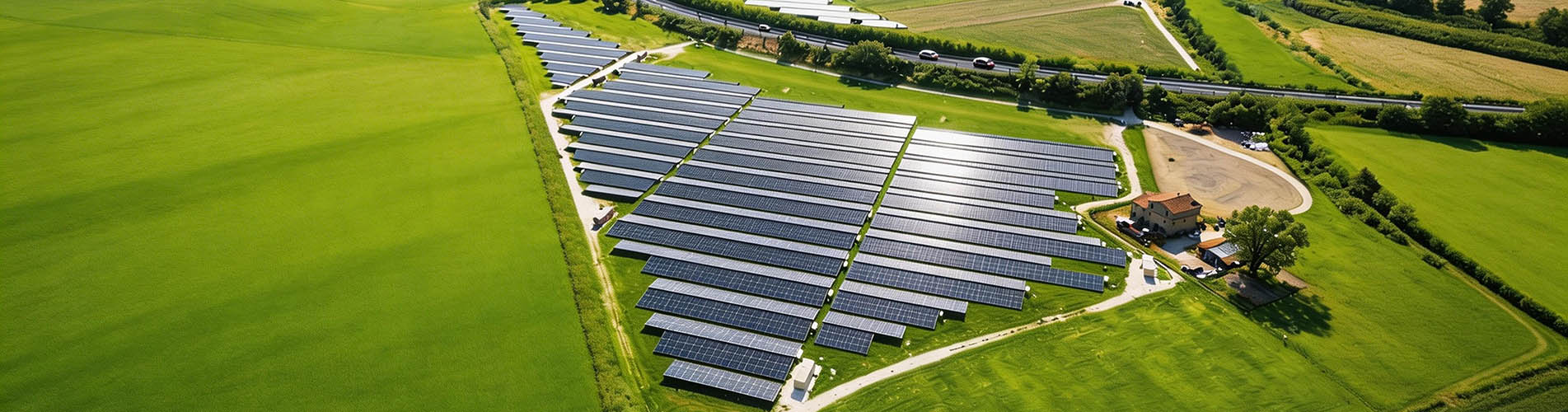
Coastal "agrivoltaic" projects impose clear, strict requirements on PV carports: resistance to salt spray and strong winds, and the prevention of water pooling. Inadequate material selection or structural design poses a high risk of subsequent corrosion and deformation. Solutions for such environments generally fall into two categories—waterproof aluminum alloy systems and galvanized carbon steel systems—each employing different mechanisms to resist salt spray and wind.
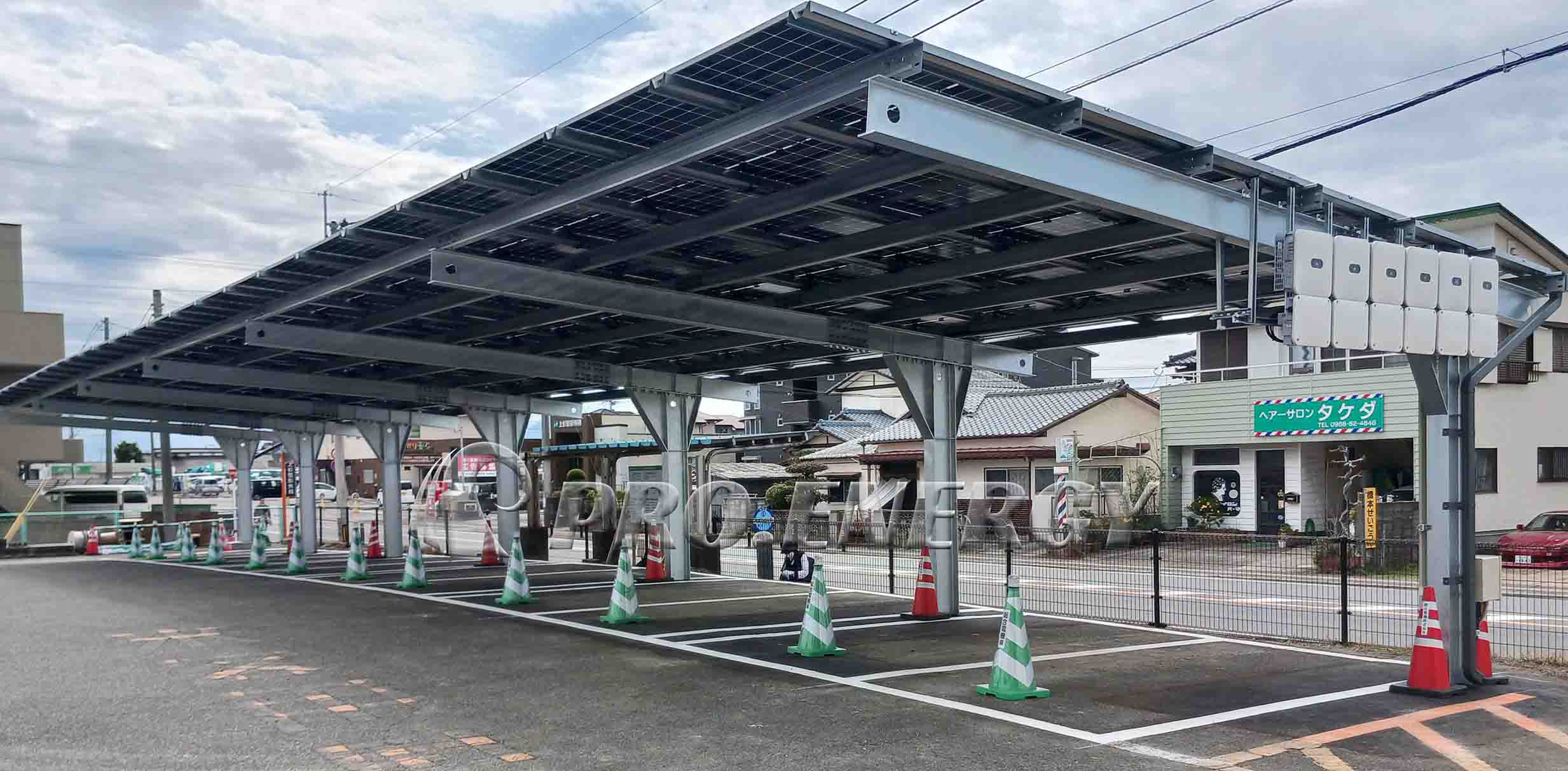
The salt spray resistance of waterproof aluminum alloy systems (such as the "Type I" design) stems from the dense oxide film that naturally forms on the aluminum surface, blocking chloride ion erosion; when combined with SUS304 stainless steel components, the system offers superior overall corrosion resistance. Additionally, integrated drainage channels prevent prolonged water pooling, thereby eliminating a primary cause of corrosion at the source. Regarding wind resistance, the lightweight nature of aluminum alloy necessitates specific cross-sectional designs and denser column spacing to ensure adequate rigidity, making it ideal for small-to-medium-span carports.
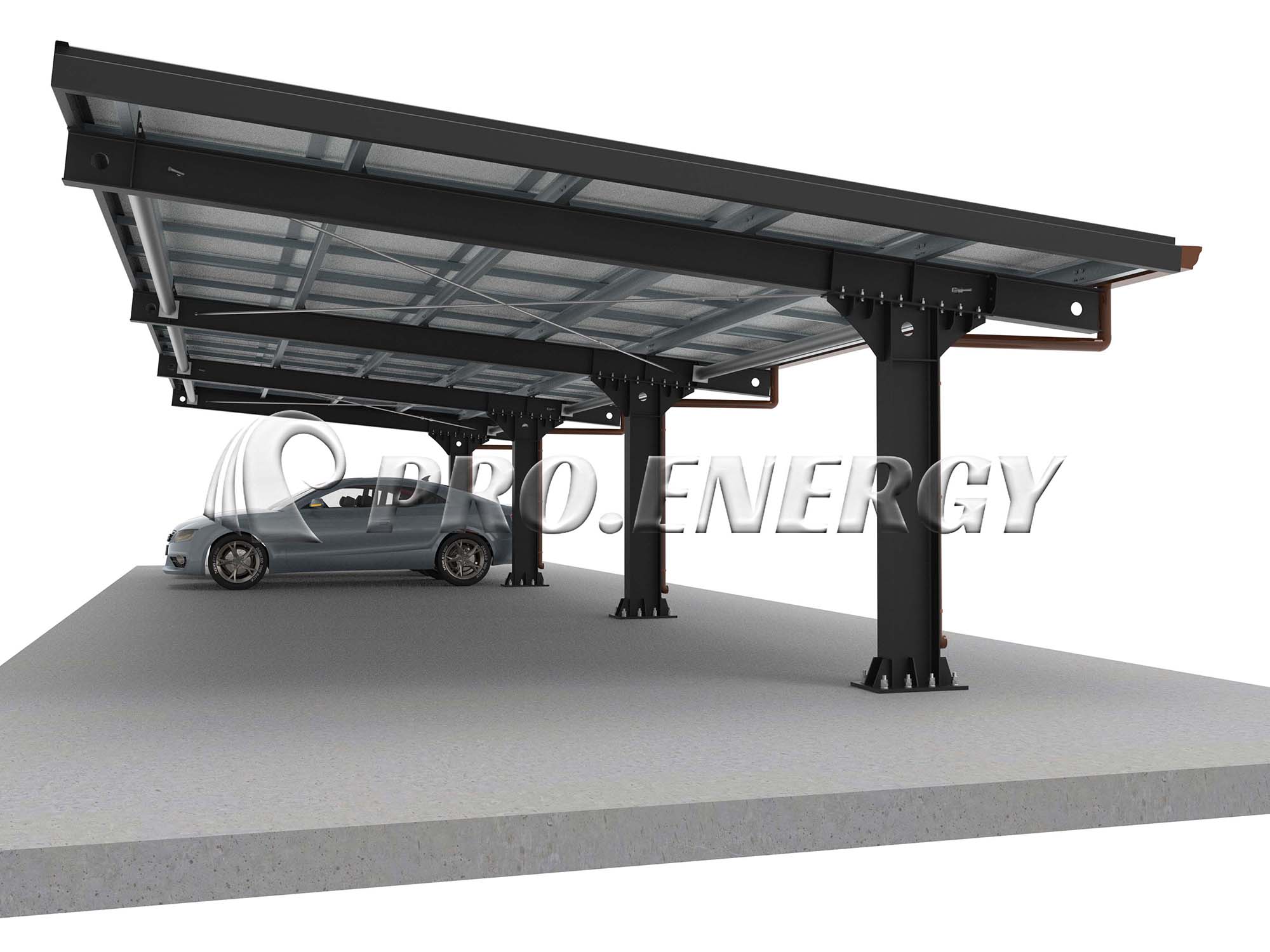
For galvanized carbon steel systems (such as the "Type C" design), the galvanized coating serves as the primary defense against corrosion; the outer zinc layer corrodes sacrificially, protecting the underlying steel. Optimized cold-formed C-sections ensure uniform stress distribution and high rigidity, offering superior stability against wind and snow loads—making them suitable for large-span structures and high-wind zones. However, if the coating is scratched during transport or installation, salt spray can penetrate the damaged area, necessitating meticulous on-site repair.
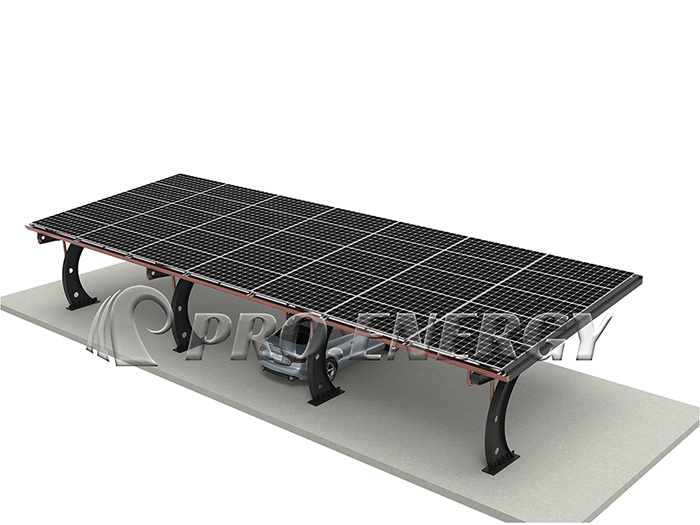
Both system types are TÜV-certified and feature pre-assembled components, which minimize on-site hot work and wet construction processes, thereby indirectly reducing corrosion risks associated with coastal installation. When selecting a system, aluminum alloy is preferable if the priority is a lightweight, aesthetically pleasing, and integrated waterproof design; galvanized carbon steel is the more pragmatic choice if structural rigidity and cost-effectiveness are the main concerns. Ultimately, proper anti-corrosion treatment at connection points is the key to ensuring long-term weather resistance.
- How do coastal PV carports withstand salt spray and strong winds?
- How can the drainage design of PV carports balance waterproofing with structural safety?
- What are the advantages and key design considerations of waterproof solar carports?
- Metal Roofs vs. Tile Roofs: Which is Better for Solar PV Installation?
- Single-column or double-column ground-mounted support systems: Which is more suitable for your photovoltaic power station?
- 2026 PV EXPO Autumn Exhibition Visitor Guide and Agricultural Photovoltaic Complementary Technology Trends