
How do composite sound barriers effectively reduce noise in energy storage power stations?


Author
PROFENCE.ENERGY was established in 2014 with a focus on the design and manufacturing of solar mounting systems and related products
When a Battery Energy Storage System (BESS) is operating, its internal cooling fans, inverters, and transformers inevitably generate continuous noise. Installing composite sound barriers around the energy storage power station is a proven, mature, and reliable technology for effectively controlling this noise. So how do sound barriers block noise? What is their working principle? Today, we'll discuss this from three perspectives.
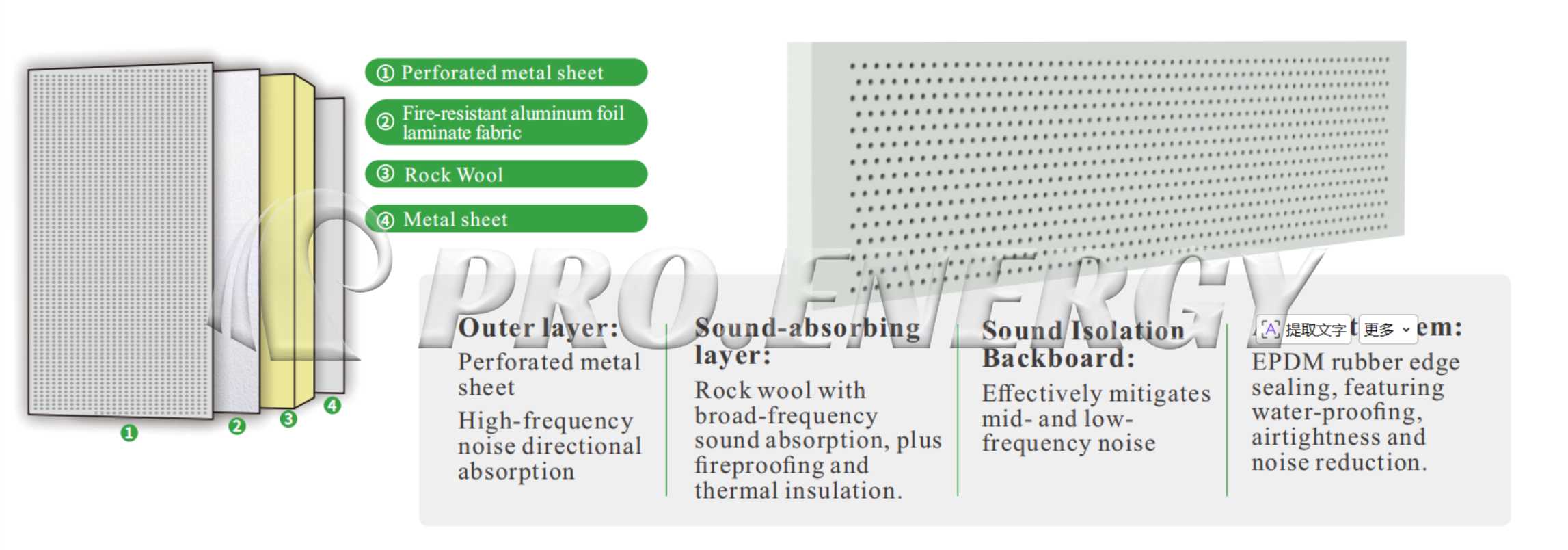
1、Three-layer composite structure for layered noise absorption:
The side of the barrier facing the noise source is a perforated metal plate, primarily used to absorb high-frequency sound waves. The middle layer uses high-density rock wool (density ≥100 kg/m³). Sound waves are converted into heat energy through friction as they propagate through the fiber material, thus achieving broadband sound absorption. This layer also provides fire resistance and heat insulation. The side facing away from the noise source is a non-perforated metal panel, used to reflect and block residual mid-to-low-frequency noise that has penetrated the first two layers. The three layers work together to achieve an overall noise reduction of 2.6–18 dB.
2、Material Selection and Construction Plan:
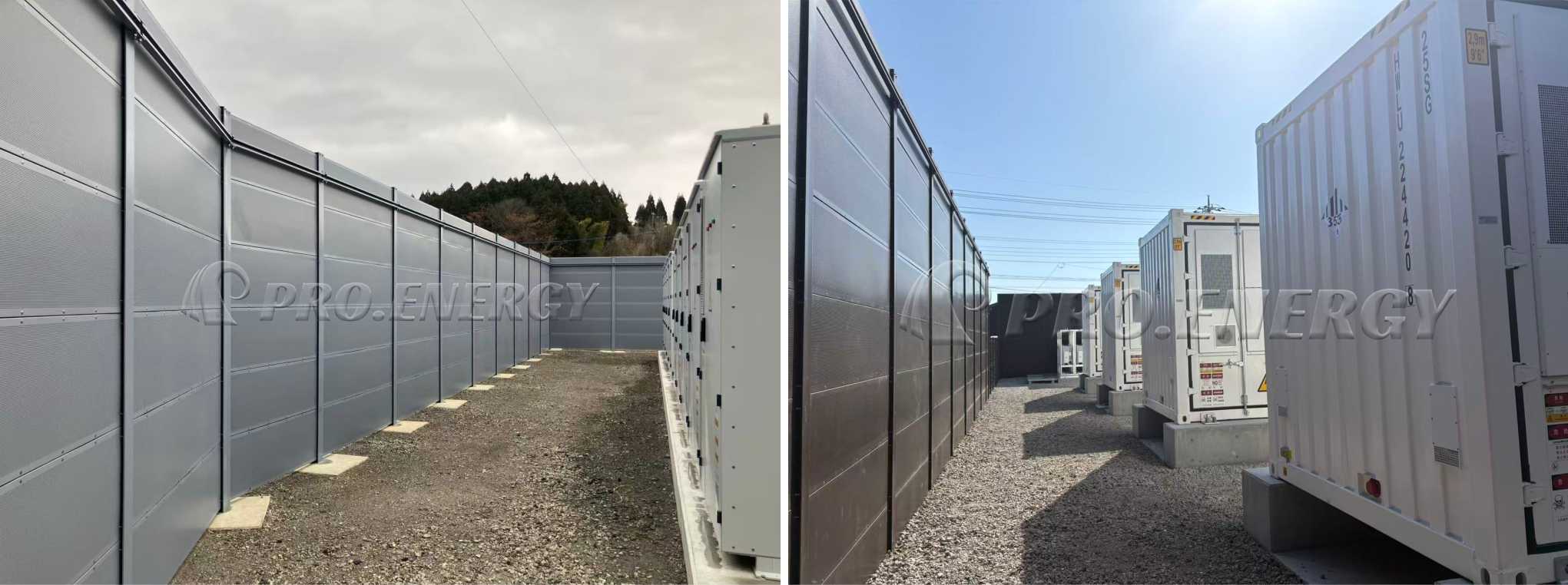
The panel material should be selected based on the installation environment: ZAM high corrosion-resistant steel plate or aluminum plate is recommended for coastal salt spray areas; hot-dip galvanized steel plate is sufficient for corrosion protection under general environmental conditions. The column foundation can be pre-embedded or bolted, facilitating on-site assembly. Corner columns can be pre-welded in the factory to reduce on-site welding work. During the design phase, acoustic simulation should be conducted using cadnaA environmental noise prediction software to analyze the noise reduction performance of the barrier under different heights, thicknesses, and other parameters. The simulation results need to be combined with laboratory measurement data to verify the actual acoustic effect of the barrier, ensuring that the noise level at the boundary of the energy storage power station meets the limits specified in relevant standards.
- How can the drainage design of PV carports balance waterproofing with structural safety?
- What are the advantages and key design considerations of waterproof solar carports?
- Metal Roofs vs. Tile Roofs: Which is Better for Solar PV Installation?
- Single-column or double-column ground-mounted support systems: Which is more suitable for your photovoltaic power station?
- 2026 PV EXPO Autumn Exhibition Visitor Guide and Agricultural Photovoltaic Complementary Technology Trends
- How do you select the appropriate ground clearance for an agrivoltaic system?