M-Shaped Gutter Design: How Do Photovoltaic Carports Achieve 100% Waterproofing?

Author
PROFENCE.ENERGY was established in 2014 with a focus on the design and manufacturing of solar mounting systems and related products
As the adoption of photovoltaic (PV) carports and Building-Integrated Photovoltaics (BIPV) carports grows, structural leakage has emerged as a primary pain point for such projects. In conventional setups, simple assembly of PV panels and mounting structures often leaves gaps prone to water ingress; once leaks occur, repair costs can easily exceed the revenue generated from power production. Consequently, "waterproof carports"—featuring built-in, integrated drainage systems—have become the preferred choice for both commercial and residential projects.
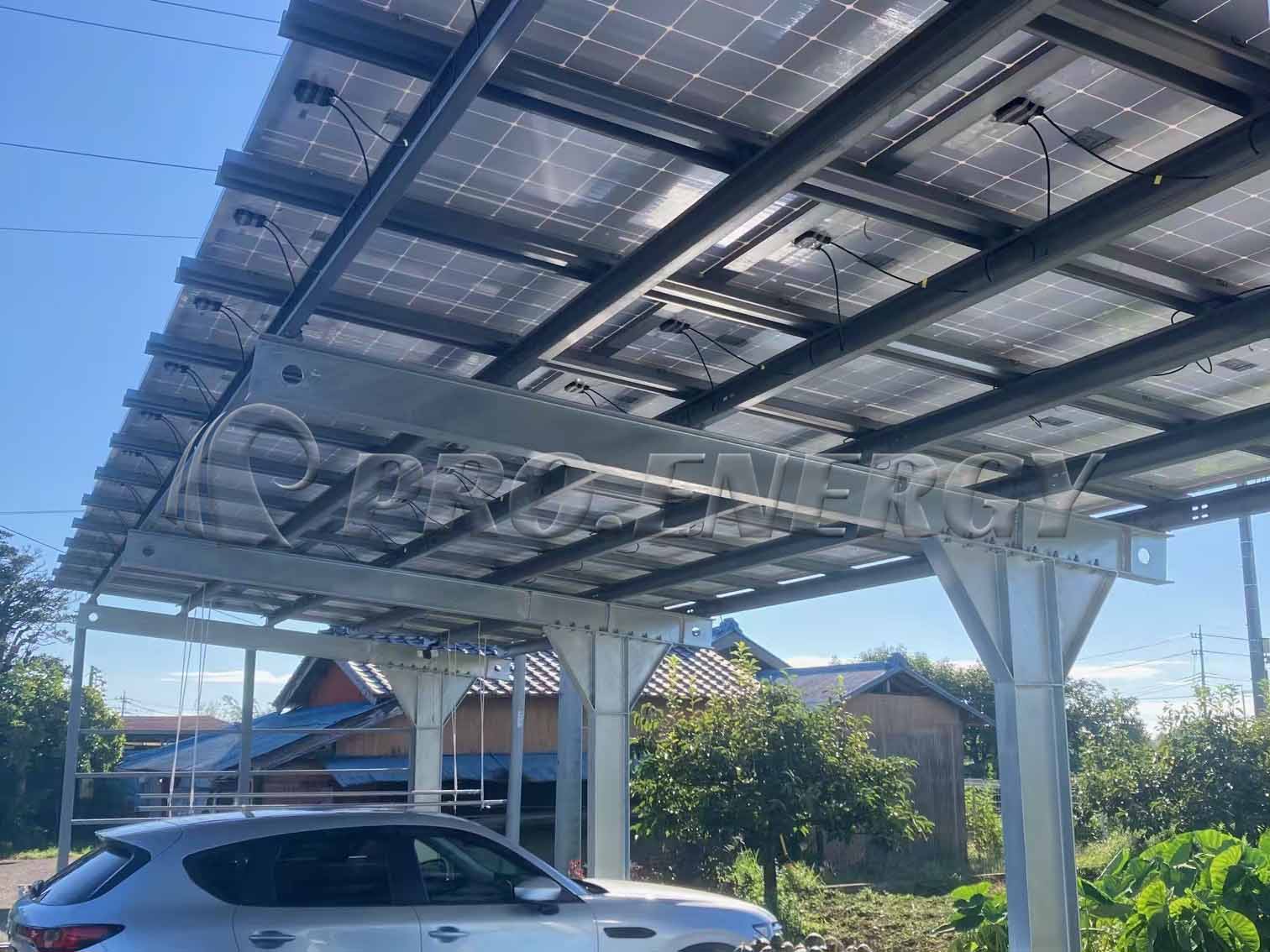
The core principle behind waterproof solar carports lies in "gravity-fed collection and physical sealing." The M-shaped gutter (integrated channel) design, for instance, utilizes a multi-directional collection structure to precisely intercept rainwater from panel joints and edges. Gravity directs the water along a pre-set slope into downspouts concealed within the support columns, channeling it directly to the ground and eliminating the need for secondary waterproofing measures. Furthermore, the use of aluminum edge cladding enhances the aesthetic appeal of BIPV carports while effectively preventing leaks at the perimeter.
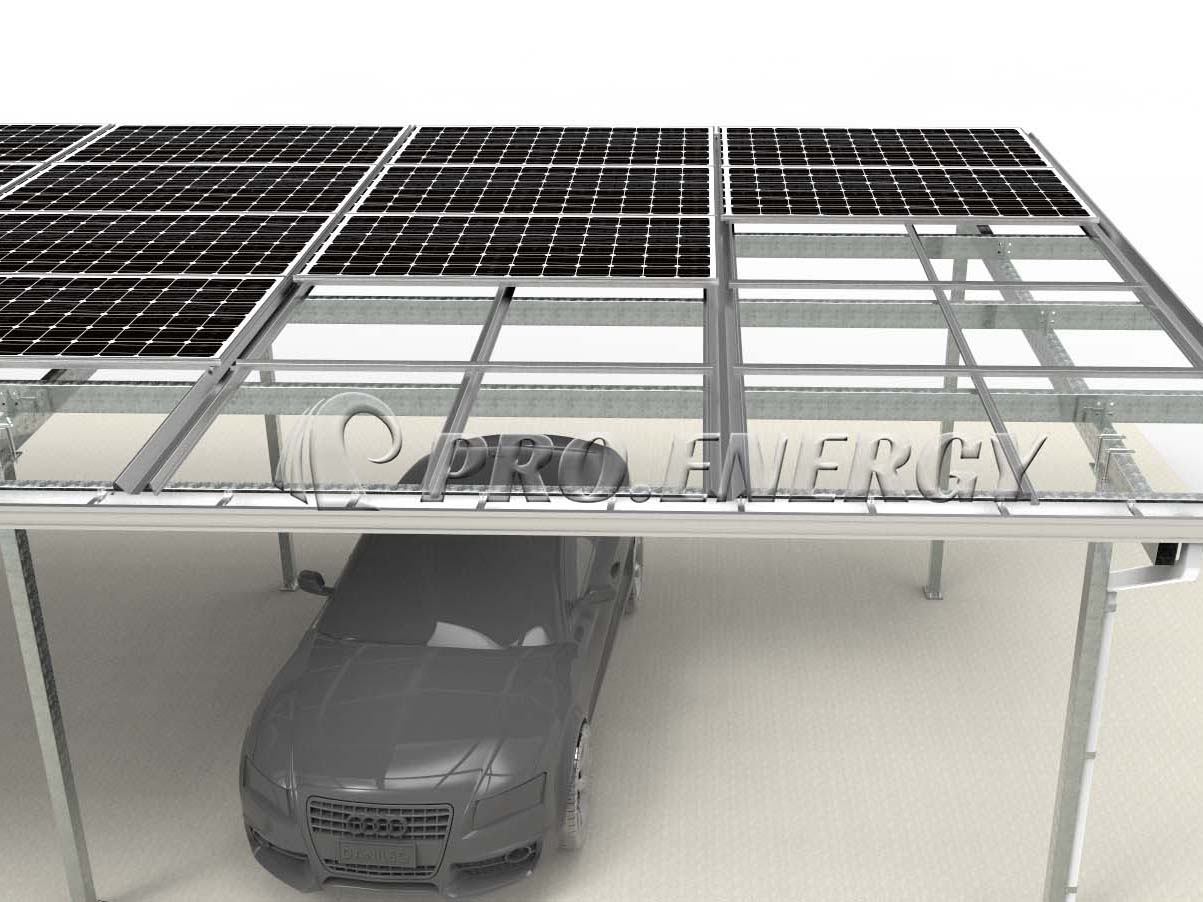
Specific product offerings include I-type aluminum alloy carports, constructed from 6005-T6 aluminum and SUS304 stainless steel. These feature integrated gutters and tool-free installation mechanisms, significantly reducing on-site labor costs. Meanwhile, T-type carbon steel carports—strengthened via hot-dip galvanizing—are engineered for regions with heavy snowfall (such as Northern Europe) or high wind loads (such as coastal areas). Their modular, interlocking design ensures the stability of the drainage system even under extreme weather conditions.
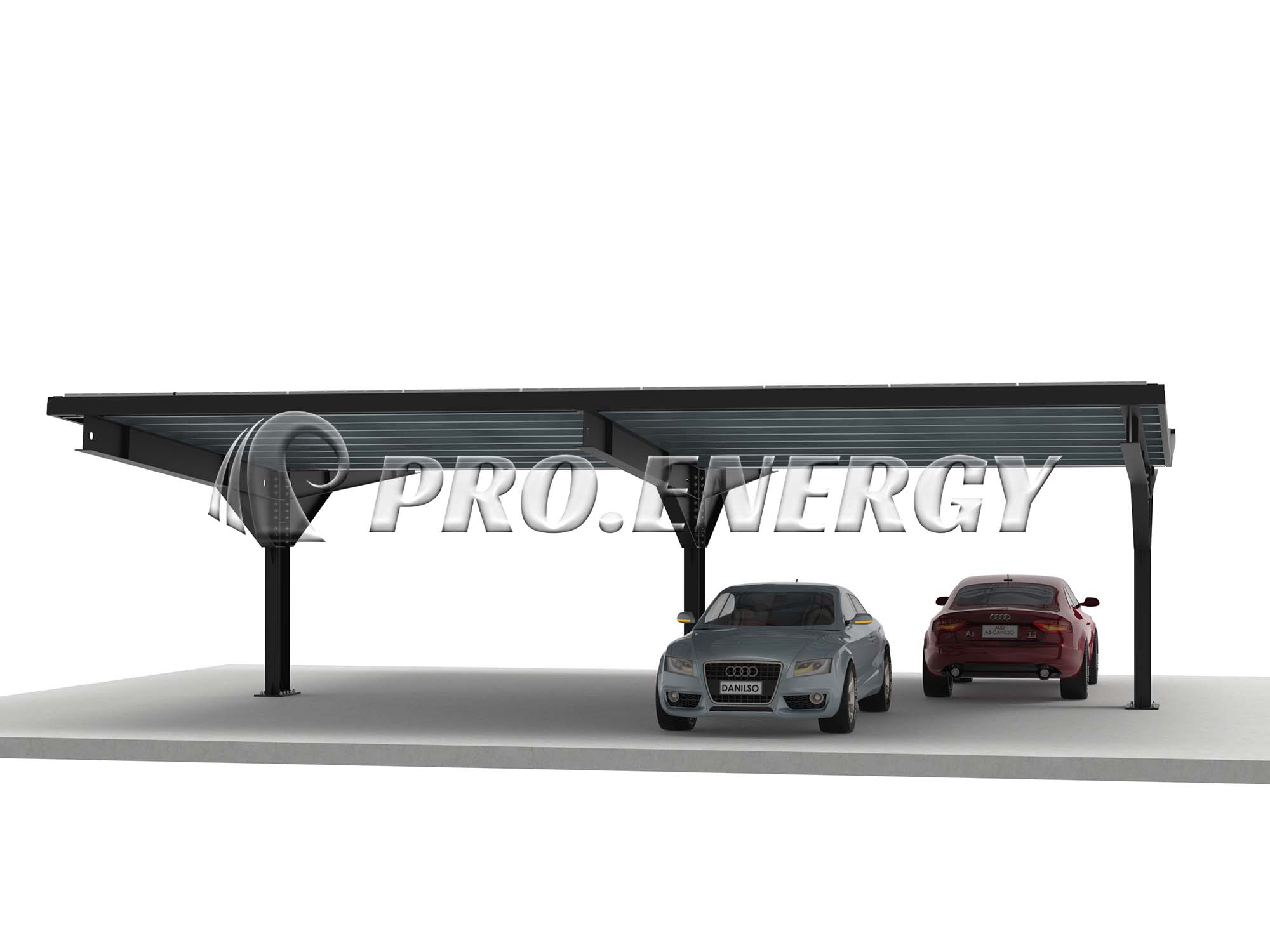
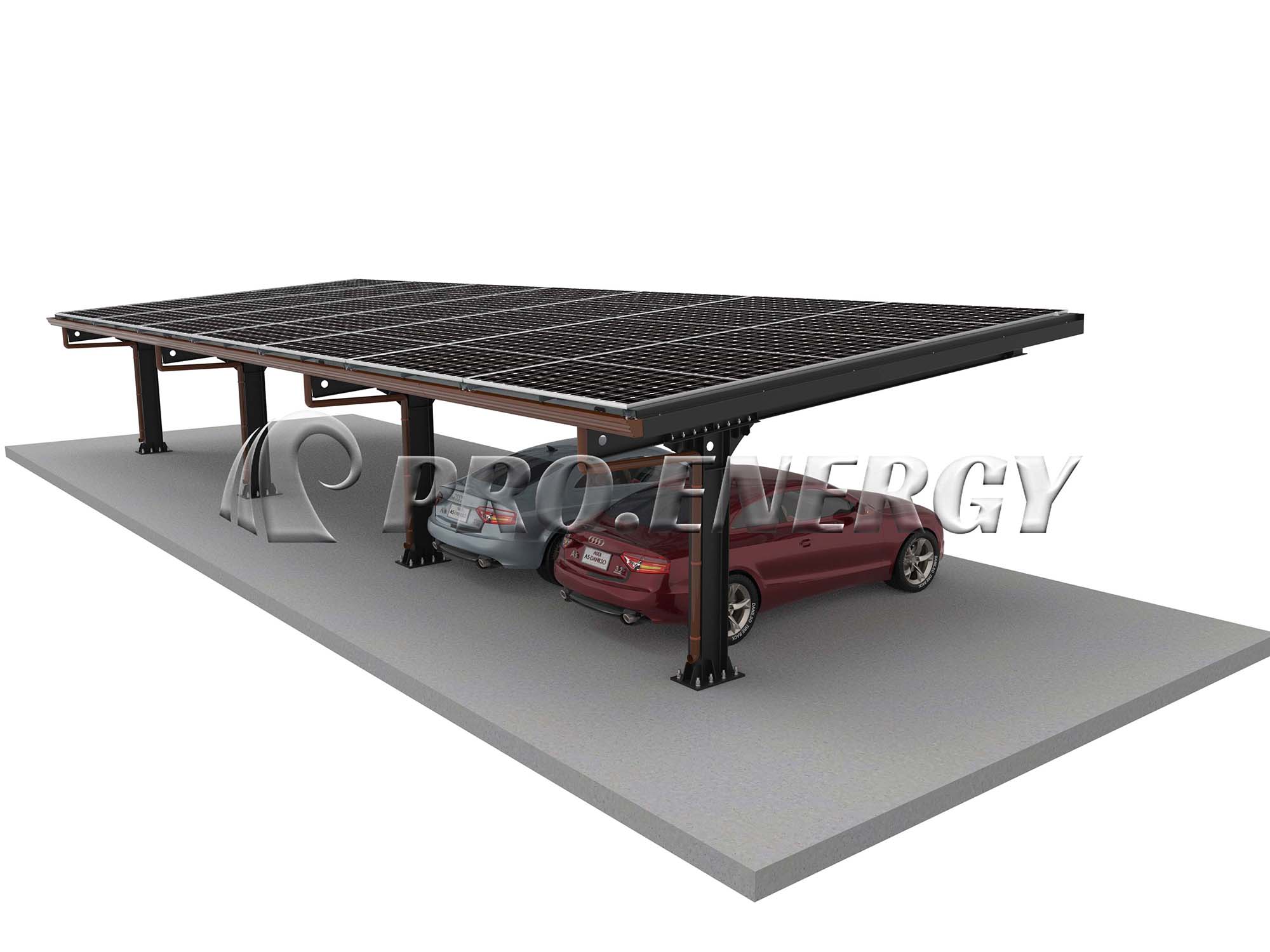
While the M-shaped gutter design effectively addresses the issue of leakage, this fully enclosed drainage approach demands high precision in both component manufacturing and on-site installation. When selecting a system, it is essential to conduct a thorough assessment—factoring in local wind and snow loads, as well as the corrosion resistance of the materials—to ensure the solar carport remains completely watertight while delivering a high return on investment for the project.
- M-Shaped Gutter Design: How Do Photovoltaic Carports Achieve 100% Waterproofing?
- Ballasted Roof Mounting Systems: Installing PV Without Roof Penetration
- Types of Clamps for Metal Roofs and Their Applications
- How to Prevent Theft at Photovoltaic Power Plants: Perimeter Fencing and Critical-Point Protection Strategies
- Why Are Regular Inspections of Solar Mounting Structures Essential?
- Photovoltaic (PV) Carports: How to Balance Shading, Power Generation, and Waterproofing?