Why Are Regular Inspections of Solar Mounting Structures Essential?

Author
PROFENCE.ENERGY was established in 2014 with a focus on the design and manufacturing of solar mounting systems and related products
In a solar power generation system, the mounting structure serves not only as a support for the solar modules but also as the backbone of the entire photovoltaic (PV) installation. Because these structures are constantly exposed to extreme weather—such as high winds, heavy rain, and significant temperature fluctuations—regular inspections are indispensable. They are directly linked to the safety and financial returns of the system throughout its entire lifecycle.
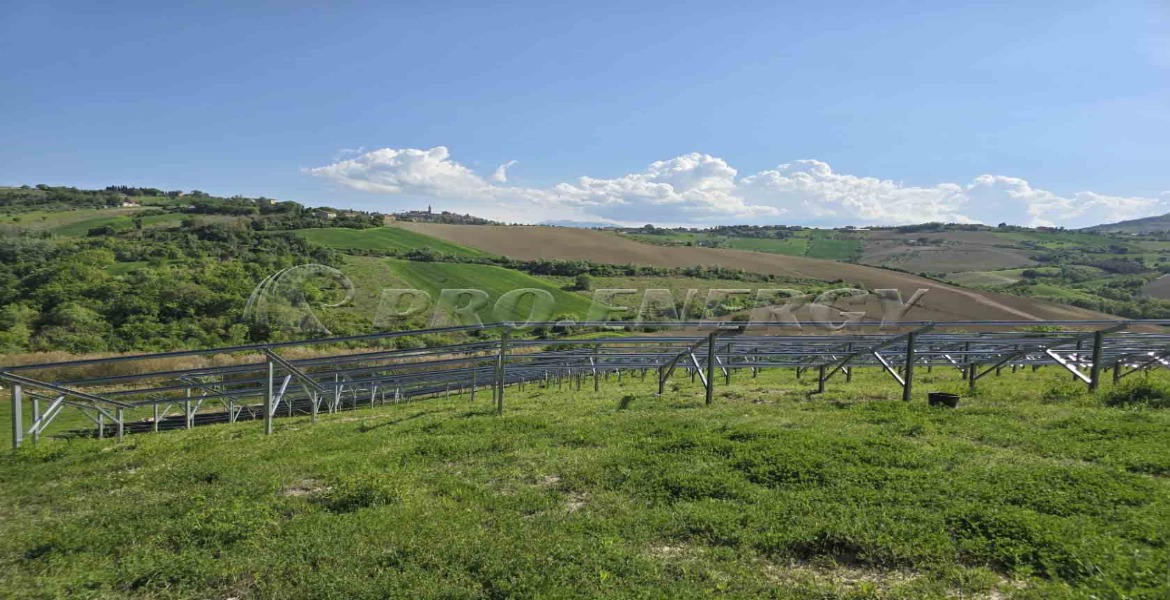
First, there is the inspection of the anti-corrosion system. While modern anti-corrosion technologies for mounting structures are highly advanced—such as the use of ZAM (zinc-aluminum-magnesium) or HDG (hot-dip galvanized) coatings on carbon steel, or the application of sandblasting pre-treatments on aluminum alloys—these materials are not immune to damage. During transport or when subjected to extreme environmental conditions, localized damage to the protective coating can create potential vulnerabilities. Regular inspections allow for the timely repair of such damage, preventing deep-seated corrosion of the underlying material.
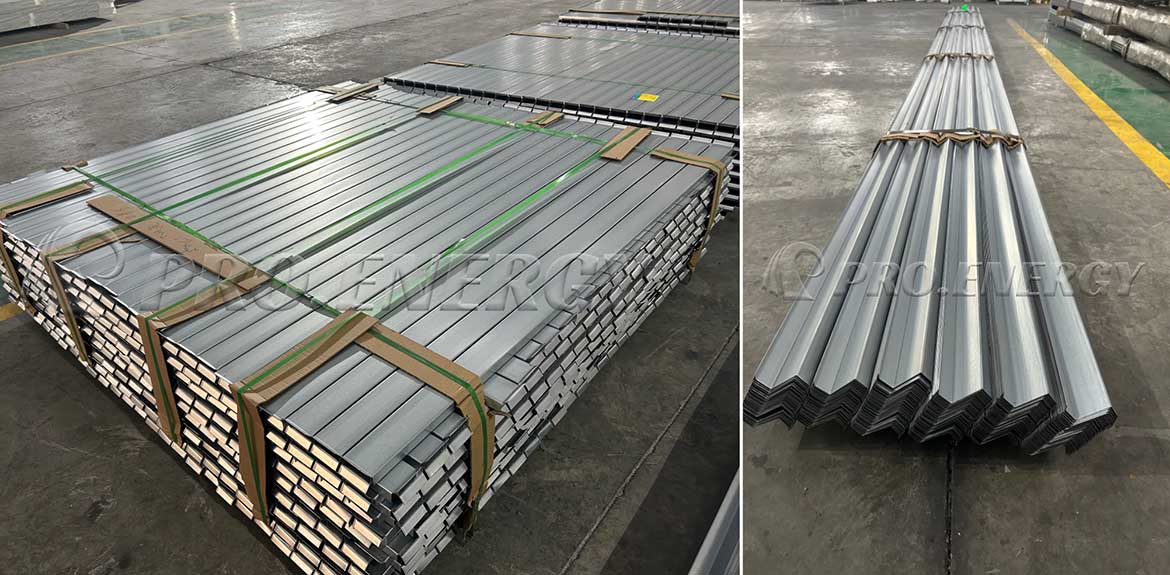
Second, the stability of the foundation and structural connections must be verified. For instance, when using common ground screw foundations, geological settling or strong winds can cause connecting bolts to loosen. Following events involving high wind or snow loads, it is critical to assess the stress status of the mounting posts and diagonal braces. Even in designs with high structural rigidity—such as self-supporting steel structures or aluminum systems configured in V, N, or W patterns—the long-term fatigue at connection points still requires manual verification.
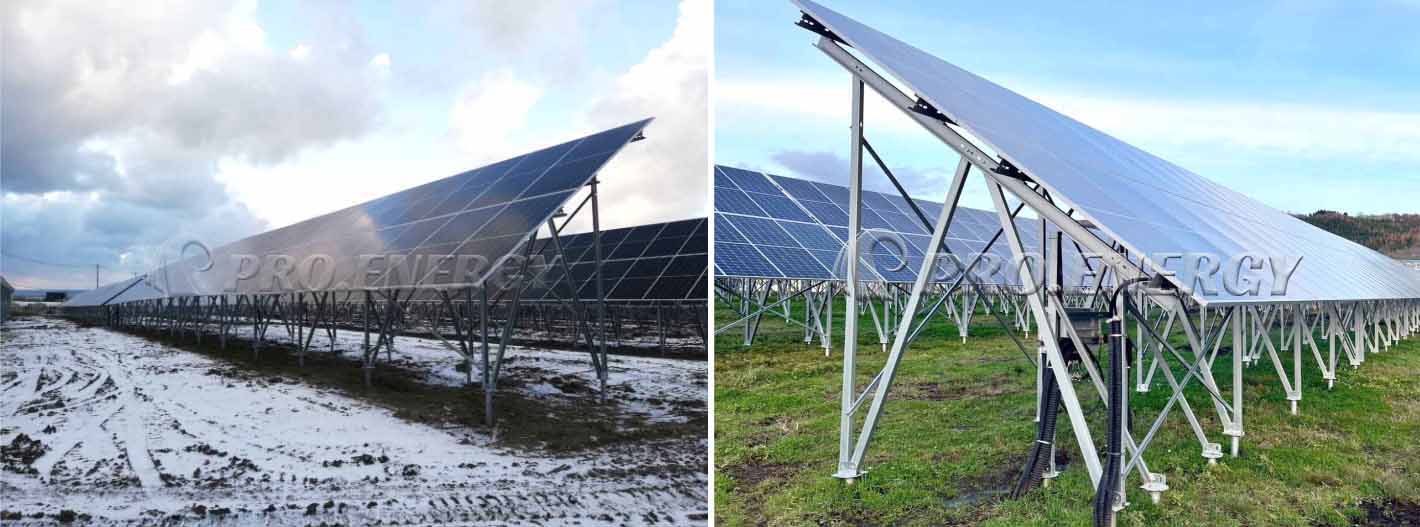
Finally, there is the relationship between tilt angle and power generation efficiency. Many mounting systems allow for tilt angle adjustments (typically between 20° and 30°) to maximize energy yield. If extreme weather causes the tilt angle to shift, or if the module clamps become loose, the system’s power generation efficiency will drop, and there is even a risk of causing micro-cracks in the solar modules.
Regular inspections should not be viewed as an additional cost; rather, they are a vital safeguard for ensuring the long-term stability of the PV structure and securing the expected return on investment.
- Ballasted Roof Mounting Systems: Installing PV Without Roof Penetration
- Types of Clamps for Metal Roofs and Their Applications
- How to Prevent Theft at Photovoltaic Power Plants: Perimeter Fencing and Critical-Point Protection Strategies
- Why Are Regular Inspections of Solar Mounting Structures Essential?
- Photovoltaic (PV) Carports: How to Balance Shading, Power Generation, and Waterproofing?
- How do coastal PV carports withstand salt spray and strong winds?