
Ballasted Roof Mounting Systems: Installing PV Without Roof Penetration


Author
PROFENCE.ENERGY was established in 2014 with a focus on the design and manufacturing of solar mounting systems and related products
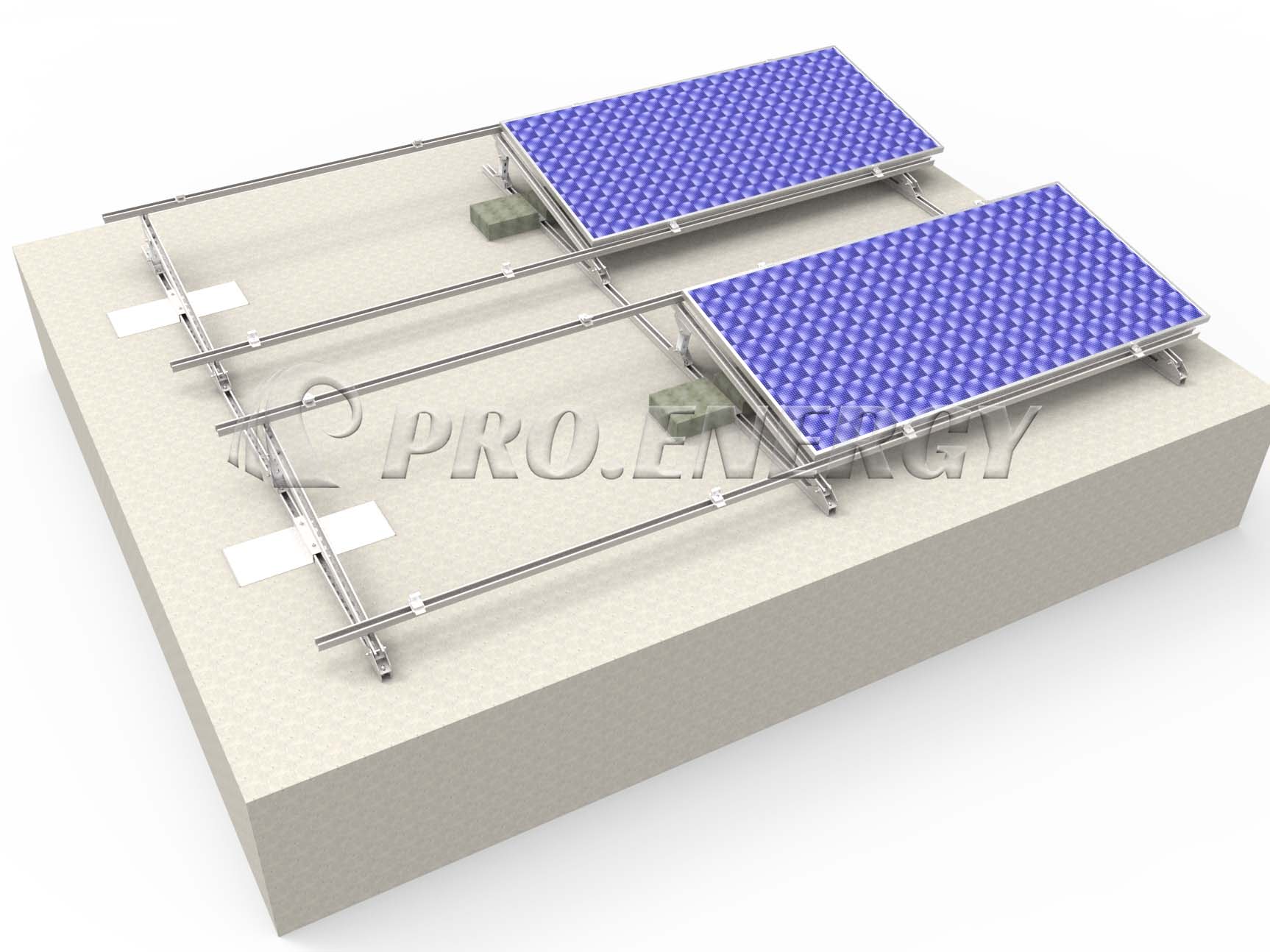
As distributed photovoltaic (PV) systems become increasingly common on the flat concrete roofs of industrial and commercial facilities—such as factories and logistics parks—roof waterproofing and structural integrity have emerged as critical design considerations. Traditional mounting methods that require drilling into the roof can compromise the waterproofing layer; should leaks occur, the subsequent repair costs can be exorbitant. Consequently, ballasted mounting systems—which utilize counterweights to secure the installation via gravity—have become the preferred choice for flat-roof applications.
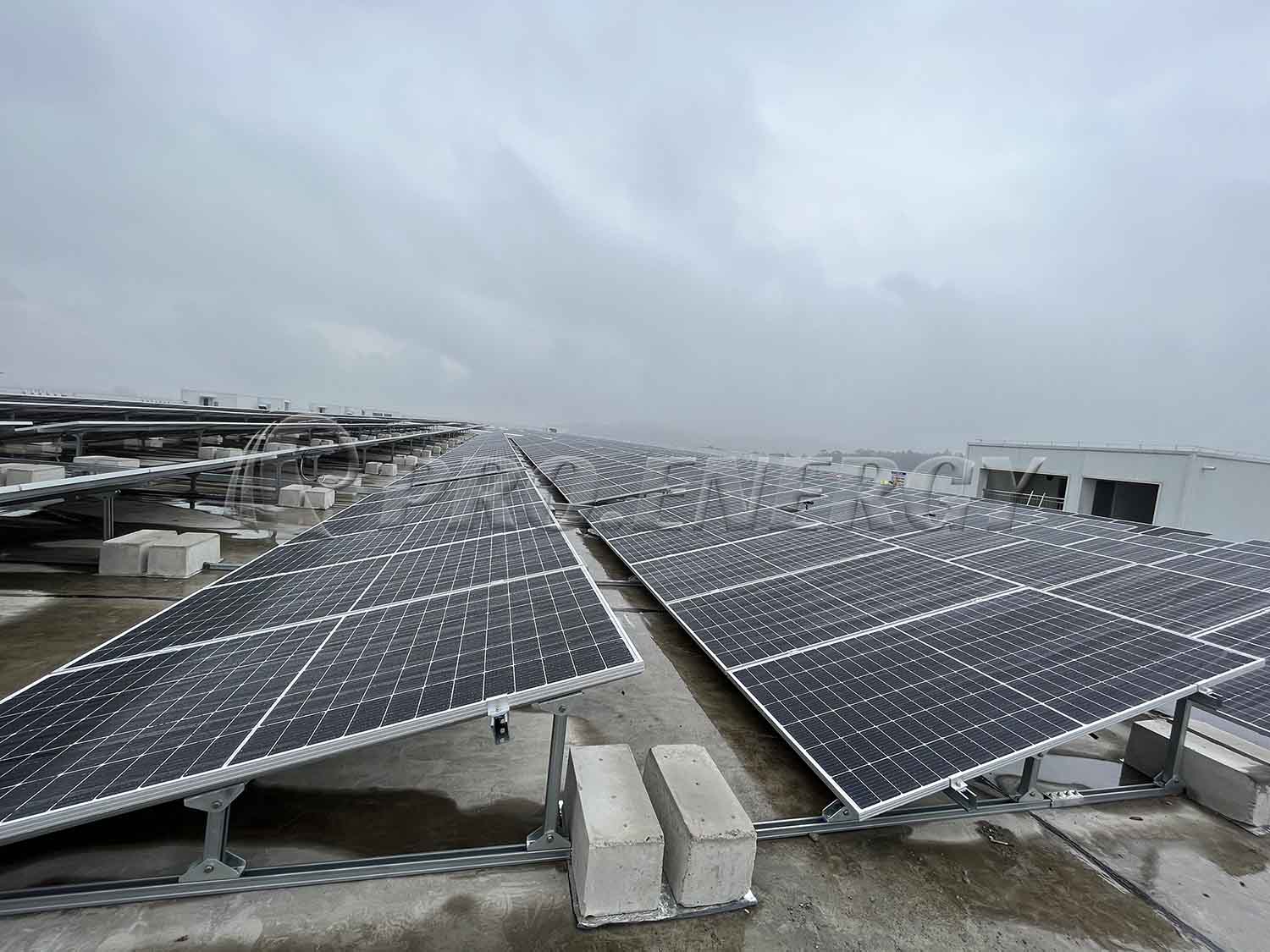
Within the industry, various types of ballasted mounting systems are employed depending on the specific project requirements. For standard flat roofs, systems utilizing horizontal rails are the most common. Typically constructed from hot-dip galvanized (HDG) steel, zinc-aluminum-magnesium coated steel, or aluminum alloy, these systems feature pre-assembled clamps that allow for rapid installation. They are designed to withstand high wind speeds and snow loads, and offer adjustable tilt angles to optimize power generation.
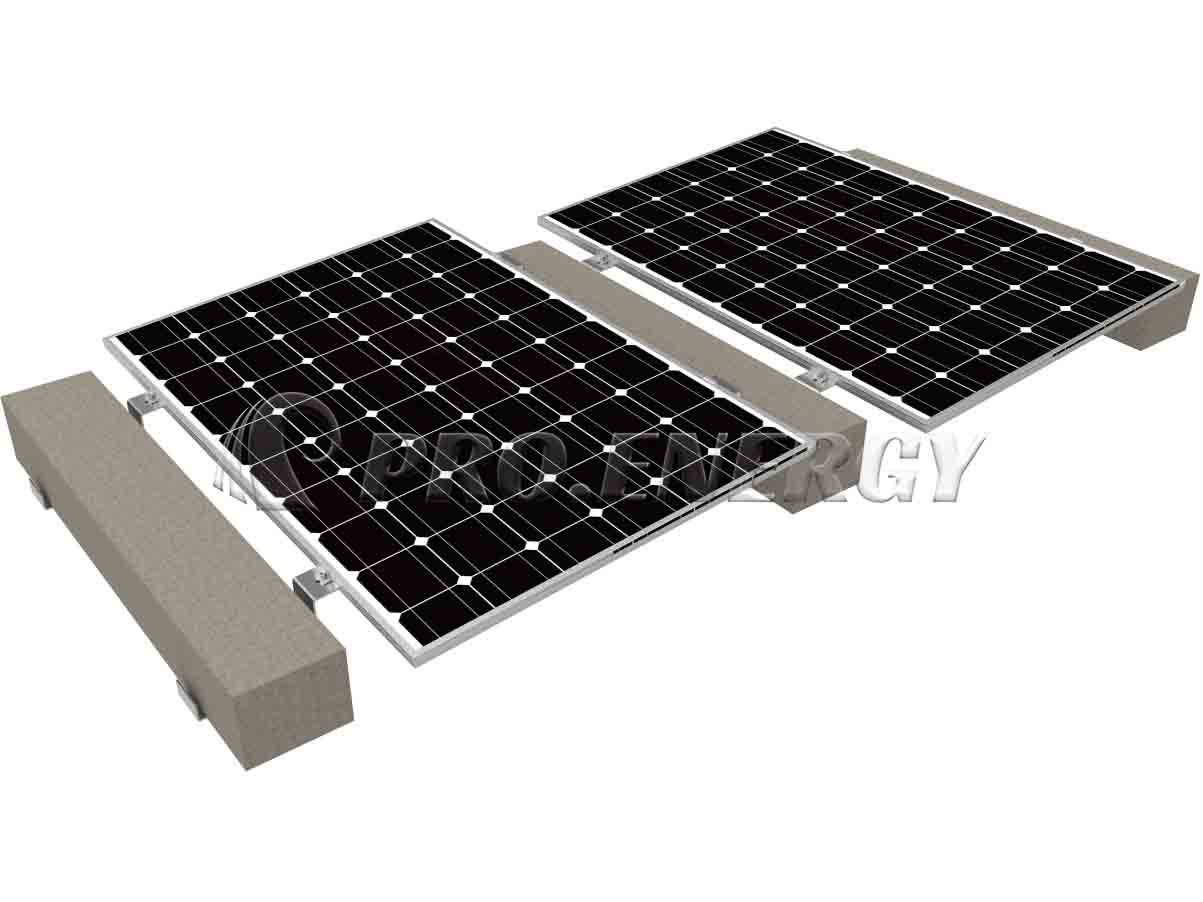
Driven by the industrial and commercial sector’s demand for cost reduction and increased efficiency, minimalist designs that eliminate the need for long rails are gaining traction. Some carbon-steel ballasted systems utilize pre-bent components combined with counterweights, entirely removing the need for on-site welding or extensive fasteners. This approach not only lowers logistics and storage costs but also significantly shortens construction timelines.
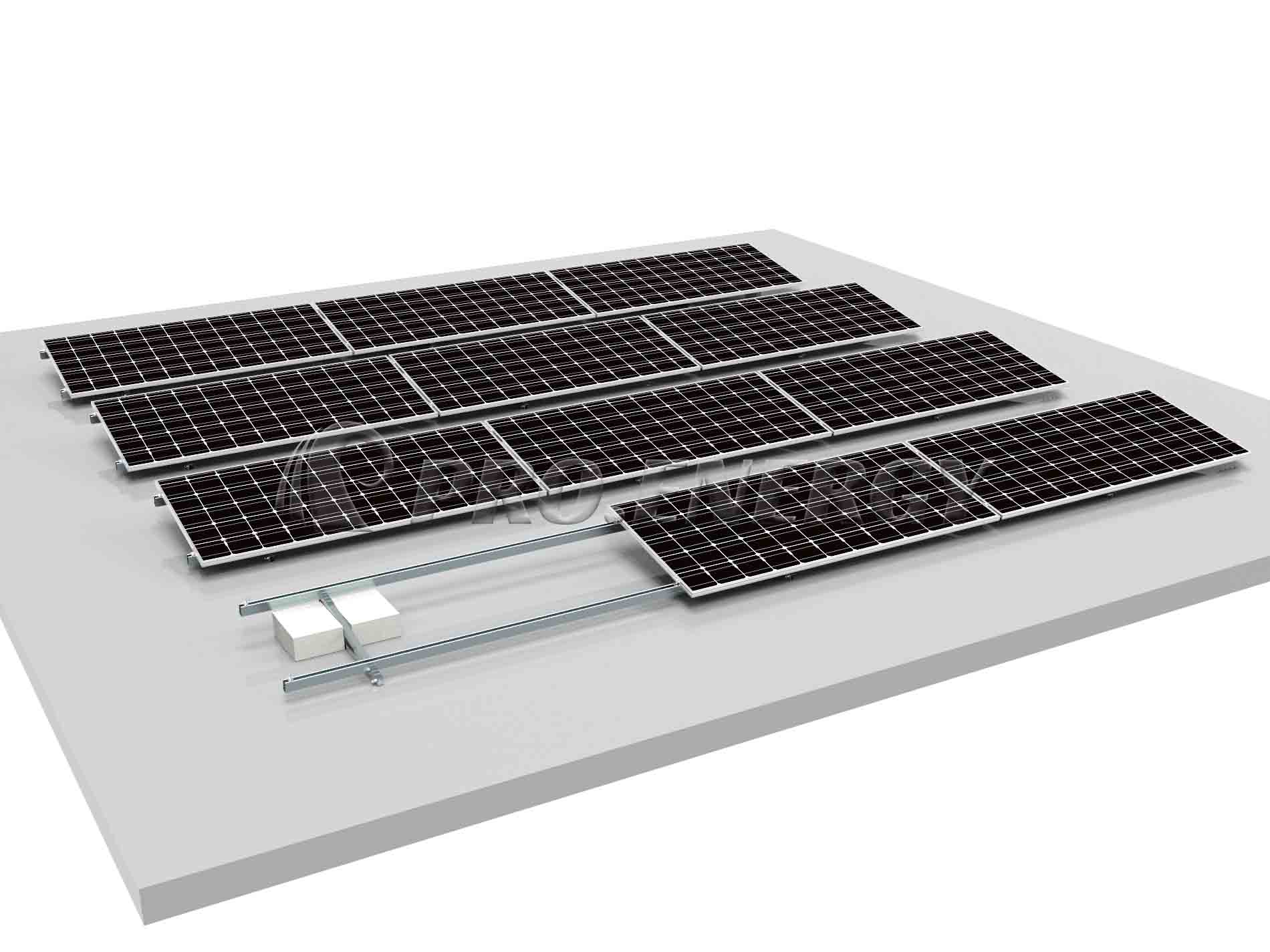
Furthermore, for areas with complex layouts or requirements for greater structural rigidity, tripod-style ballasted mounts offer an alternative solution. These are typically made from high-strength carbon steel with a zinc-aluminum-magnesium coating, ensuring long-term corrosion resistance. The inclusion of pre-punched slots in the U-shaped steel profiles provides exceptional flexibility for on-site configuration.
While all these solutions enable installation without roof penetration—thereby effectively protecting the roof surface—it is important to remember that the core principle of ballasted systems is "trading weight for safety." When selecting a system, it is essential to rigorously assess the roof's remaining load-bearing capacity and calculate the required counterweights based on local wind and snow load data to ensure the long-term stability of the PV plant.
- Ballasted Roof Mounting Systems: Installing PV Without Roof Penetration
- Types of Clamps for Metal Roofs and Their Applications
- How to Prevent Theft at Photovoltaic Power Plants: Perimeter Fencing and Critical-Point Protection Strategies
- Why Are Regular Inspections of Solar Mounting Structures Essential?
- Photovoltaic (PV) Carports: How to Balance Shading, Power Generation, and Waterproofing?
- How do coastal PV carports withstand salt spray and strong winds?